Hole 1 of 18 · Brewster, Washington

Hole 1 at Gamble Sands Golf and Inn

Par
4
Yards
506
Handicap
11
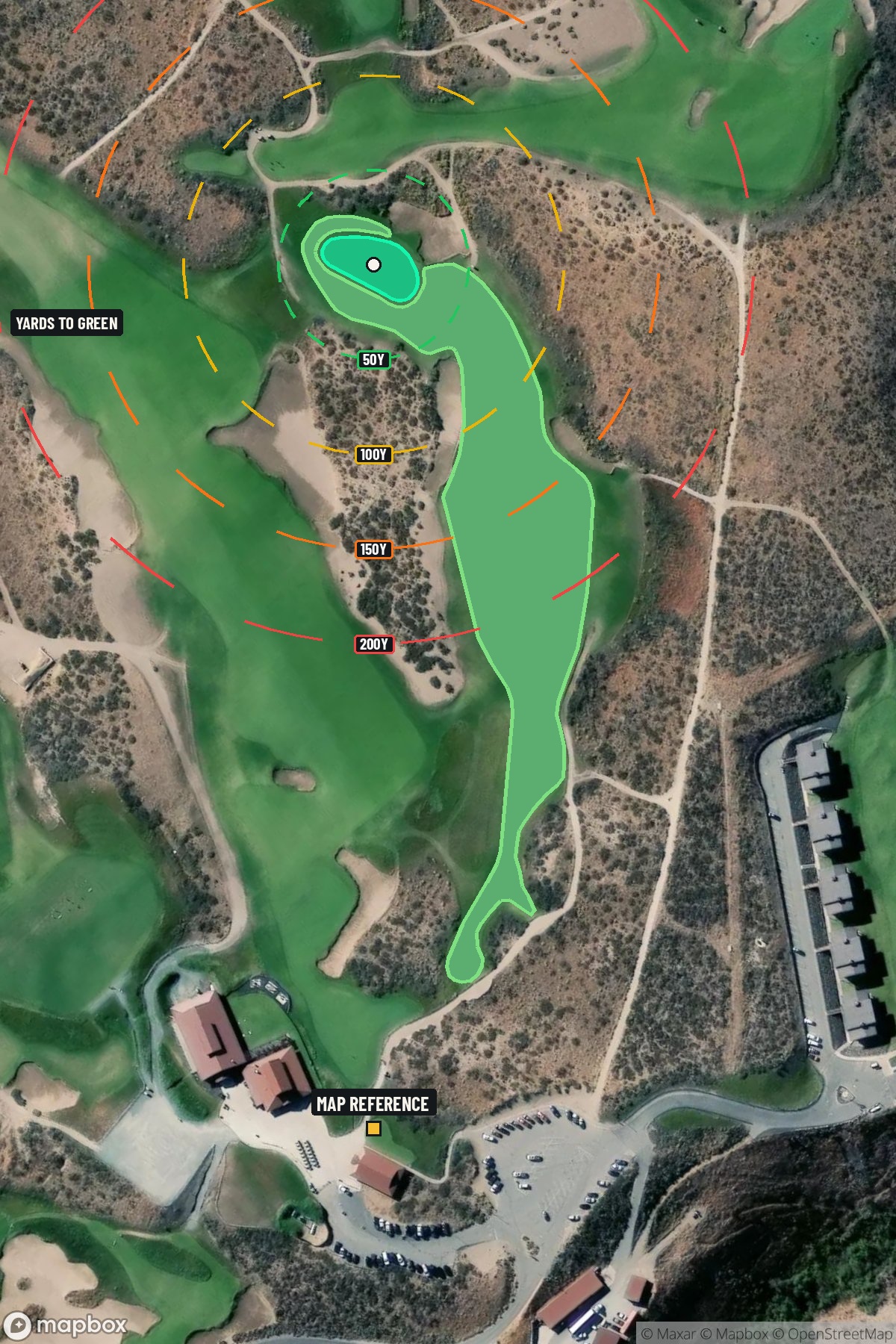
Hole 1 aerial at Gamble Sands Golf and Inn
Map distances from Map reference tee

The map's printed distances are measured from the Map reference tee to the green; they do not move when you change tees. Your Championship yardage is in the tiles above.

Green size: 35 yds deep × 52 yds wide

Mapbox Satellite composite · capture date not provided. Green at the top.

Where this map comes from

Satellite photo
Date not published
Mapbox satellite
Report a map problem
100%
Hole 1 aerial at Gamble Sands Golf and Inn

The plan for No. 1

These notes were written before the current map. Where their distances differ, trust the map.

The play: The opening hole at Gamble Sands Golf and Inn sets an inviting yet challenging tone for this Central Washington gem. This lengthy par 4 stretches 506 yards through the high desert landscape, demanding both distance and accuracy from the championship tees. The straight layout appears deceptively simple, but the generous fairway requires strategic positioning for the lengthy approach shot to the small, elevated green complex. Without major hazards to navigate, golfers can focus on course management and club selection, making this an ideal opening test that rewards solid fundamentals over heroic shots. The hole's character reflects David McLay Kidd's minimalist design philosophy, where natural terrain features create the primary challenge. This opening salvo perfectly introduces players to the rugged beauty and strategic demands that have transformed Gamble Sands into one of America's must-visit golf destinations.

Shot by shot

  1. Off the tee

    Your tee shot strategy should focus on finding the center of the fairway while maximizing distance within your comfort zone. With no hazards threatening your drive, you can be aggressive with your club selection - driver is the obvious choice for most players seeking to shorten this lengthy hole. Aim for the center-left portion of the fairway to set up the best approach angle. The key is committing to your swing and avoiding the temptation to steer the ball, which often leads to mishits on opening holes when nerves are highest.

  2. Approach & recovery

    Your approach shot is where this hole's true challenge reveals itself. The small green demands pinpoint accuracy, making club selection and target line crucial. Depending on your tee shot, you'll likely face a mid to long-iron approach. Focus on the center of the green rather than attacking pins, especially early in the round when you're still getting a feel for distance control. The straight layout means you won't have to worry about awkward lies, allowing you to focus purely on executing a solid strike toward your target.

  3. On the green

    With a small green, putting becomes about precision rather than reading dramatic breaks. Focus on speed control and getting your first putt close to the hole. The compact putting surface means most putts will be relatively straight, but don't underestimate the importance of a solid read. Take time to survey the green from multiple angles, as subtle breaks can be deceiving on smaller surfaces. ## RISK VS REWARD This hole offers a clear risk/reward decision on the tee shot. Aggressive drivers can potentially reach the green in two shots, creating a genuine birdie opportunity. However, the small green makes this a high-risk proposition - missing the target could leave you with a difficult recovery. The safer play involves a controlled tee shot followed by a confident approach, prioritizing par with birdie upside rather than forcing a low score on the opening hole. ## DIFFERENT SKILL LEVELS **High Handicappers:** Focus on finding the fairway with your most reliable tee shot, even if it means using a 3-wood or hybrid. Your approach should target the center of the green with whatever club gets you there comfortably. Don't be tempted to force extra distance - steady play will serve you better on this demanding opener. **Low Handicappers:** You can be more aggressive with driver while still maintaining accuracy. Consider the pin position when planning your approach - attacking front pins with confidence while respecting back pin positions. Your superior short game skills allow you to be slightly more aggressive, knowing you can recover from just off the green. The opening hole at Gamble Sands rewards smart golf strategy and solid execution, setting up perfectly for the spectacular golf experience that awaits throughout this acclaimed Washington layout.

  4. Watch for

    • Course conditioning and mapped hazards may affect line selection; confirm from the aerial.

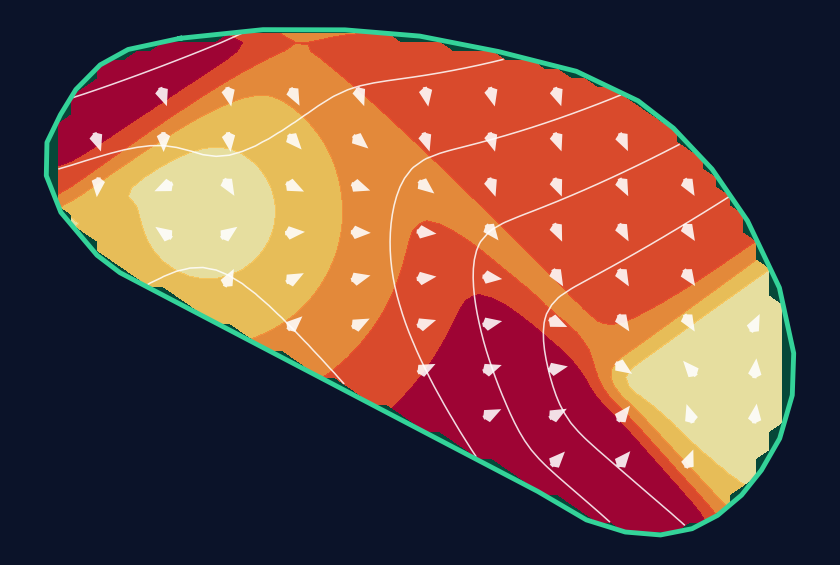
The green on No. 1

USGS 3DEP terrain
Wide × deepyards
52×35
Areasq ft
10,943
Reliefhigh to low
5.4 ft
Max slope
5.9°

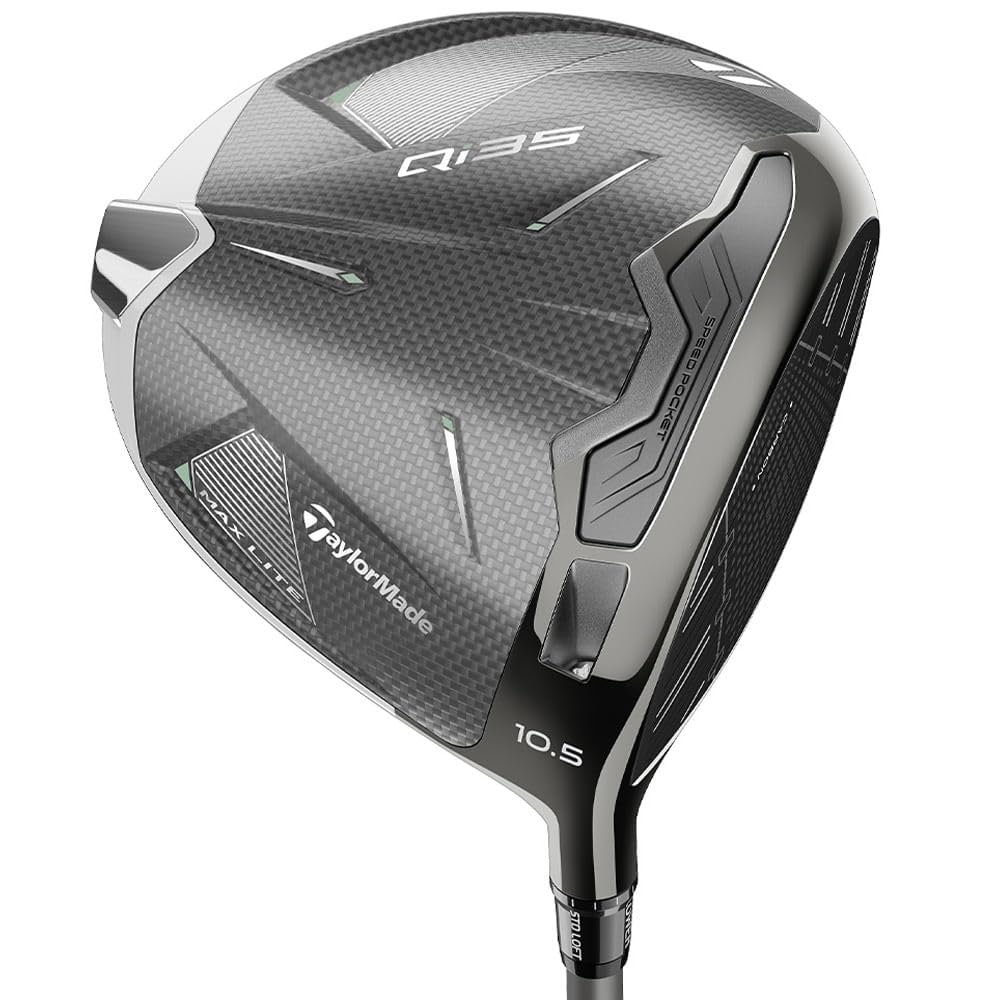
Gear for Hole 1

We may earn a commission when you buy through these links.

Golfer feedback

How did Hole 1 play?

⚡ Quick Golfer Pulse

How did this hole play today?

1-tap anonymous vote

Frequently asked questions

Yardage reference: Championship tees · 506 yards.

What's the best strategy off the tee?

↓

For this 506-yard par 4, most players will hit driver to set up a comfortable approach.

How difficult is hole 1?

↓

This hole is a moderate challenge for most golfers. Key challenges include: long par 4, large green requiring good lag putting.

How big is the green on hole 1?

↓

The green is large and can play quite long. Three-putt territory if you don't manage your approach distance well.

What's a good score on hole 1?

↓

This hole is one of the tougher holes where par feels like birdie. A challenging par 4. Accept that bogey happens and avoid big numbers.