Hole 1 of 18 · Highland Park, Michigan

Hole 1 at Detroit Golf Club (North)

Par
4
Yards
343
Handicap
13
Bunkers
6
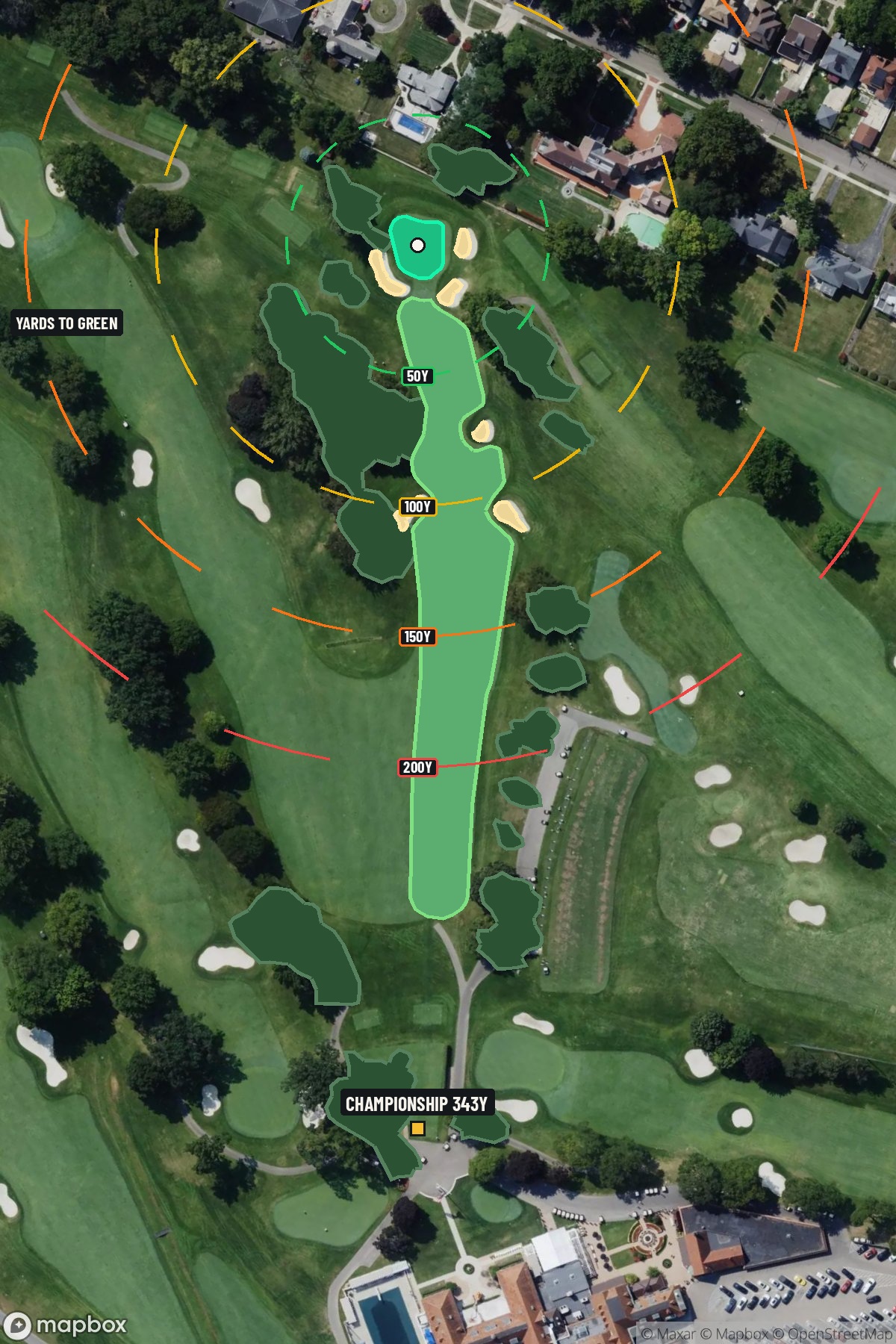
Hole 1 aerial at Detroit Golf Club (North)
Map distances from Championship tee · 343 yds

The map's printed distances are measured from the Championship tee to the green; they do not move when you change tees.

Green size: 25 yds deep × 21 yds wide

Mapbox Satellite composite · capture date not provided. Green at the top.

Where this map comes from

Satellite photo
Date not published
Mapbox satellite
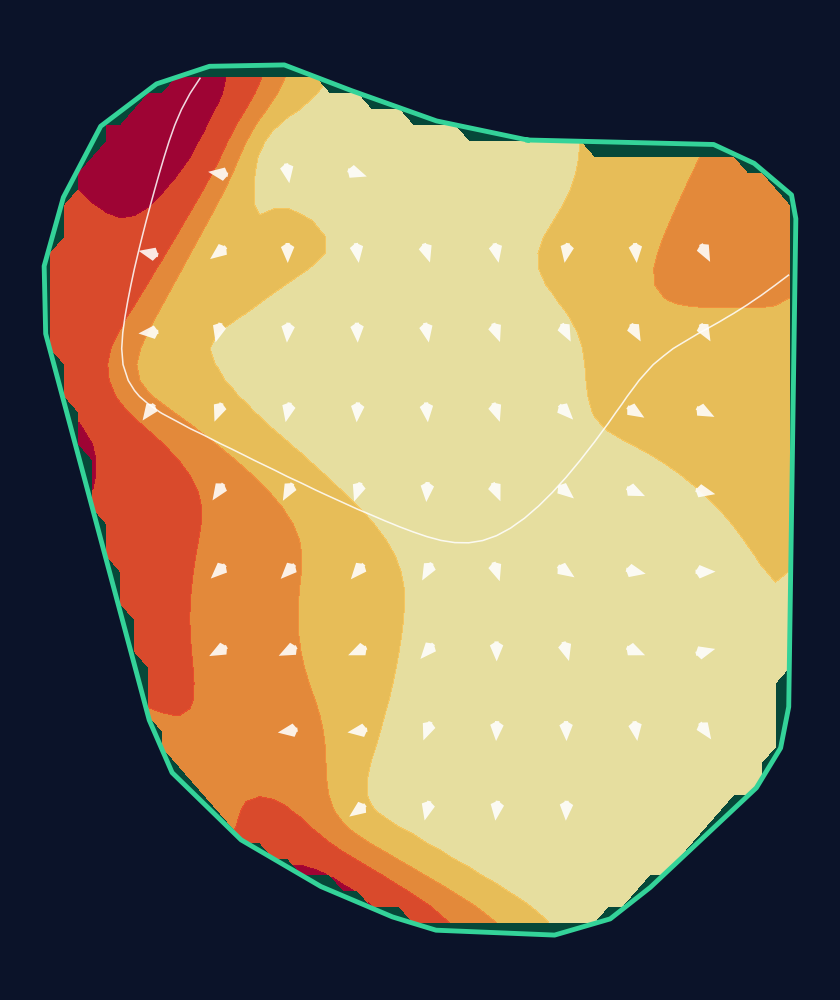
Green contours
2017 survey
USGS lidar survey
Report a map problem
100%
Hole 1 aerial at Detroit Golf Club (North)

The plan for No. 1

The play: Detroit Golf Club (North) hole 1 serves as a welcoming yet strategic opener that immediately establishes the course's championship pedigree. This 343 yard par 4 features three strategically positioned fairway bunkers that demand precise tee shot placement, particularly challenging since the hole generally plays into the prevailing wind. The straight layout might appear straightforward, but accuracy trumps distance as golfers navigate the sand hazards to set up an optimal approach angle. The well-guarded green complex features subtle undulations that reward those who find the proper side of the fairway with their driver. Long hitters may be tempted to challenge the bunkers for a shorter approach, but conservative play often yields better scoring opportunities on this deceptively demanding opening statement.

Shot by shot

  1. Off the tee

    The key to success on this opener lies in avoiding the three fairway bunkers that guard the landing zone. With the hole generally playing into the prevailing wind, club selection becomes critical - many players will need one extra club to reach their normal carry distances. Target the center-left portion of the fairway to avoid the most penal bunkers while still maintaining a good angle for your approach shot. For most golfers, a controlled 3-wood or hybrid off the tee provides the ideal balance of distance and accuracy. Long hitters may be tempted to take driver, but the wind conditions and bunker placement make precision more valuable than maximum distance. Focus on a smooth tempo and commit to your target line rather than trying to overpower the hole.

  2. Approach & recovery

    After finding the fairway, you'll typically face a short iron into the green - exactly what the hole's design intended. The approach shot requires careful attention to pin position on the small green, which features significant undulation that can make putting challenging if you're on the wrong tier. The green is well-guarded, so err on the side of the center of the putting surface rather than attacking tucked pins. Wind direction will significantly impact club selection, so take an extra moment to assess conditions before committing to your approach club. A controlled shot to the middle of the green often yields better scoring opportunities than an aggressive play at a difficult pin position.

  3. On the green

    The small, undulating green rewards precise approach shots and punishes those who miss in the wrong spots. Study the slopes carefully during your pre-round preparation, as the subtle breaks can be deceiving. Generally, putts will break more than they appear due to the green's contours. When facing longer putts, focus on getting the ball to the correct tier rather than attacking the hole aggressively. Two-putting from the right level is often better than risking a three-putt by being too bold with your first attempt. Pay particular attention to putts with significant elevation changes, as these require careful speed control. ## RISK VS REWARD This hole presents a classic risk/reward scenario for longer hitters. While it's possible to drive the green or get very close in favorable wind conditions, the strategic bunkers and small target make this a high-risk proposition. The safer play of laying up to your favorite wedge distance typically yields better scoring over time. The reward for finding the fairway with your tee shot is substantial - a short iron approach that can set up birdie opportunities. However, missing the fairway often leads to bogey or worse, making conservative play the percentage choice for most golfers. ## DIFFERENT SKILL LEVELS **High Handicap Players:** Focus on finding the fairway with whatever club gives you the most confidence - even if that's a 5-iron or hybrid. Accept that par is a great score on this hole and don't let early-round nerves push you into overly aggressive plays. Aim for the center of the green regardless of pin position. **Low Handicap Players:** Use the wind and bunker placement to your advantage by working the ball away from trouble. Consider the pin position when selecting your approach club, but remember that the small green size makes precision more important than proximity. This hole rewards patience and course management over raw power. The opening hole at Detroit Golf Club's North Course sets the tone for strategic golf. Respect the design, play within your abilities, and let good course management lead to scoring opportunities throughout your round.

  4. Watch for

    • Course conditioning and mapped hazards may affect line selection; confirm from the aerial.

The green on No. 1

USGS 3DEP terrain
Wide × deepyards
21×25
Areasq ft
3,518
Reliefhigh to low
1.5 ft
Max slope
4.2°
Golfer feedback

How did Hole 1 play?

⚡ Quick Golfer Pulse

How did this hole play today?

1-tap anonymous vote

Frequently asked questions

Yardage reference: Championship tees · 343 yards.

What's the best strategy off the tee?

↓

For this 343-yard par 4, most players will hit 3-wood or driver to set up a comfortable approach.

How difficult is hole 1?

↓

This hole is a moderate challenge for most golfers. Key challenges include: heavily bunkered, small green.

How big is the green on hole 1?

↓

The green is small and requires precision. Expect challenging pin positions with limited room for error.

What's a good score on hole 1?

↓

This hole is a birdie opportunity if you find the fairway. This shorter par 4 rewards accuracy off the tee with a short iron approach.