Hole 1 of 18 · Frankfort, Michigan

Hole 1 at Crystal Downs Country Club

Par
4
Yards
460
Bunkers
5
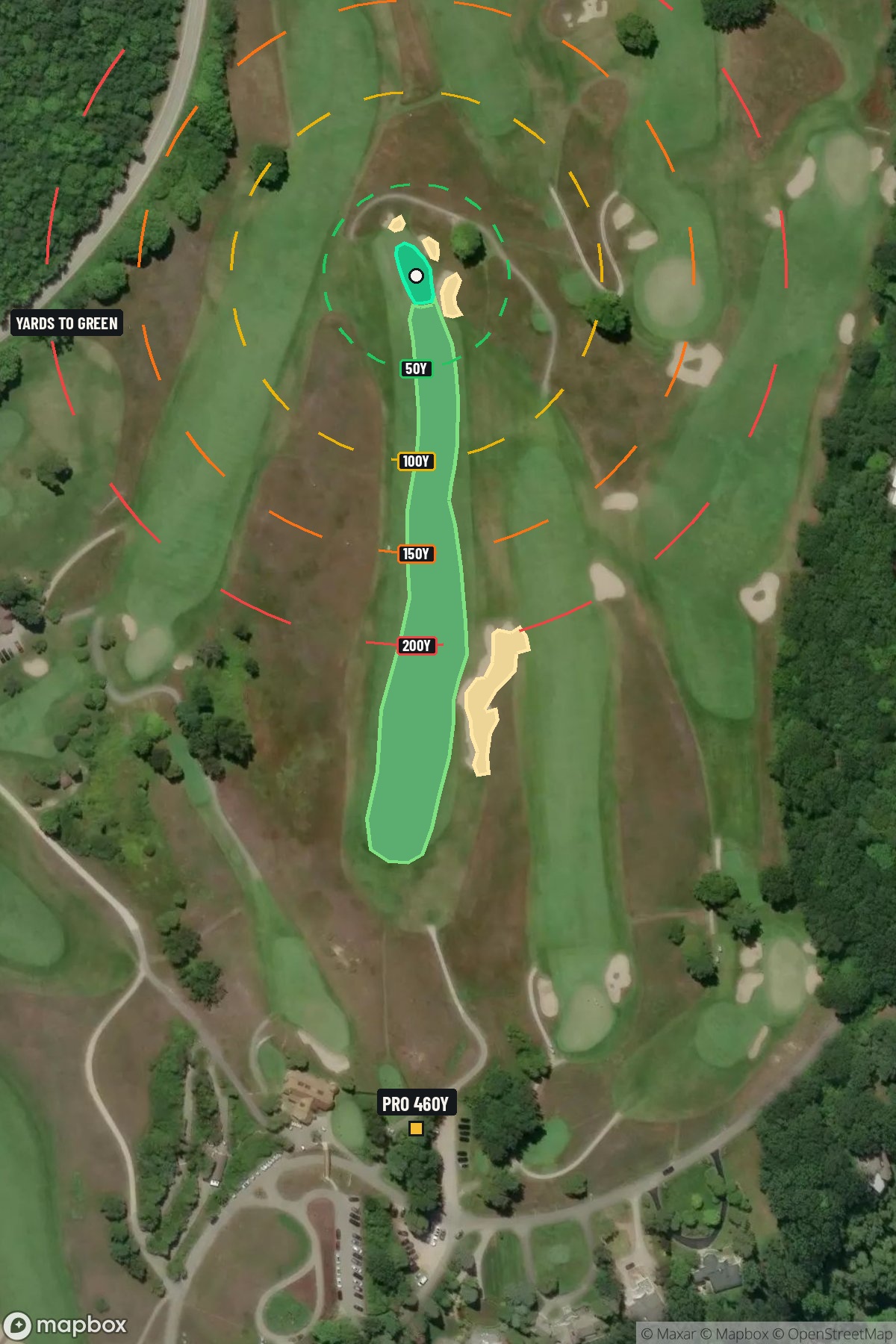
Hole 1 aerial at Crystal Downs Country Club
Map distances from Pro tee · 460 yds

The map's printed distances are measured from the Pro tee to the green; they do not move when you change tees.

Green size: 34 yds deep × 22 yds wide

Mapbox Satellite composite · capture date not provided. Green at the top.

Where this map comes from

Satellite photo
Date not published
Mapbox satellite
Green contours
2015–2016 survey
USGS lidar survey
Report a map problem
100%
Hole 1 aerial at Crystal Downs Country Club

The plan for No. 1

The play: Crystal Downs Country Club hole 1 opens this legendary Michigan links with a commanding 460-yard par 4 that immediately establishes the course's reputation for strategic golf. This straight-away opener presents a deceptively simple visual from the elevated tee, with Lake Michigan's winds often influencing club selection and ball flight. The generous fairway welcomes golfers to this Alister MacKenzie masterpiece, but the approach shot reveals the hole's true character. The small, subtly contoured green demands precision, rewarding accurate iron play while punishing wayward approaches with challenging recovery shots. With minimal hazards cluttering the landscape, this opening hole epitomizes Crystal Downs' philosophy of using natural terrain and strategic design to create memorable golf, setting the tone for one of America's most revered courses.

Shot by shot

  1. Off the tee

    The tee shot strategy centers on finding the optimal position for your approach rather than maximizing distance. With no significant hazards mentioned, the primary focus should be on the center-left portion of the fairway, which typically provides the best angle into most small greens. Driver may be tempting given the 460-yard length, but consider your accuracy with longer clubs - a well-positioned 3-wood or hybrid that finds the short grass is far more valuable than a wayward driver that leaves you in trouble. Target your tee shot to leave yourself with a comfortable approach distance, typically in the 140-160 yard range for most players. This usually means a solid drive of about 300 yards for longer hitters, but don't sacrifice accuracy for those extra yards.

  2. Approach & recovery

    The small green demands pinpoint accuracy on your approach shot. Club selection becomes critical here - take enough club to ensure you reach the putting surface, as coming up short of a small green often leaves difficult recovery shots. Study the pin position carefully; with limited green space, even a well-struck shot to the wrong section can leave you with a challenging putt. Aim for the center of the green regardless of pin position on your first play of this hole. Once you understand how the green receives shots and breaks, you can begin attacking specific pin positions in subsequent rounds. A mid-iron to long-iron approach, depending on conditions and your tee shot position, will typically be required.

  3. On the green

    Small greens at Crystal Downs are notorious for their subtle breaks and firm conditions. Focus on getting your first putt close rather than being overly aggressive. The limited space means that pace control becomes even more critical - a putt that rolls off this green can create a difficult up-and-down situation. Read putts carefully, as small greens often have more pronounced slopes to help shed water. Pay particular attention to any grain in the grass and how the green sits in relation to surrounding terrain, as these factors significantly influence ball roll on smaller surfaces. ## RISK VS REWARD The primary risk/reward decision comes with tee shot club selection. The reward of a shorter approach shot with driver must be weighed against the increased accuracy demands of the longer club. Given the small green target, positioning trumps distance - a 7-iron approach from the fairway is far preferable to a wedge from the rough or trees. Conservative play typically yields better scores on this type of hole, especially early in the round when you're still finding your rhythm. ## DIFFERENT SKILL LEVELS **High-Handicap Players**: Focus entirely on finding the fairway with your most reliable tee shot, even if it's a 5-wood or hybrid. Accept that you may need a longer approach club, but prioritize accuracy over distance. Aim for the center of the green with your approach and focus on two-putting for bogey or better. **Low-Handicap Players**: You can be more aggressive with driver if your accuracy is consistent, but still prioritize position over pure distance. Attack pin positions only when they're in the center third of the green, and don't hesitate to play away from tucked pins to ensure you stay on the putting surface. This is a hole where par is always a good score. The opening hole at Crystal Downs rewards patience and precision - qualities that will serve you well throughout your round on this strategic gem.

  4. Watch for

    • Course conditioning and mapped hazards may affect line selection; confirm from the aerial.

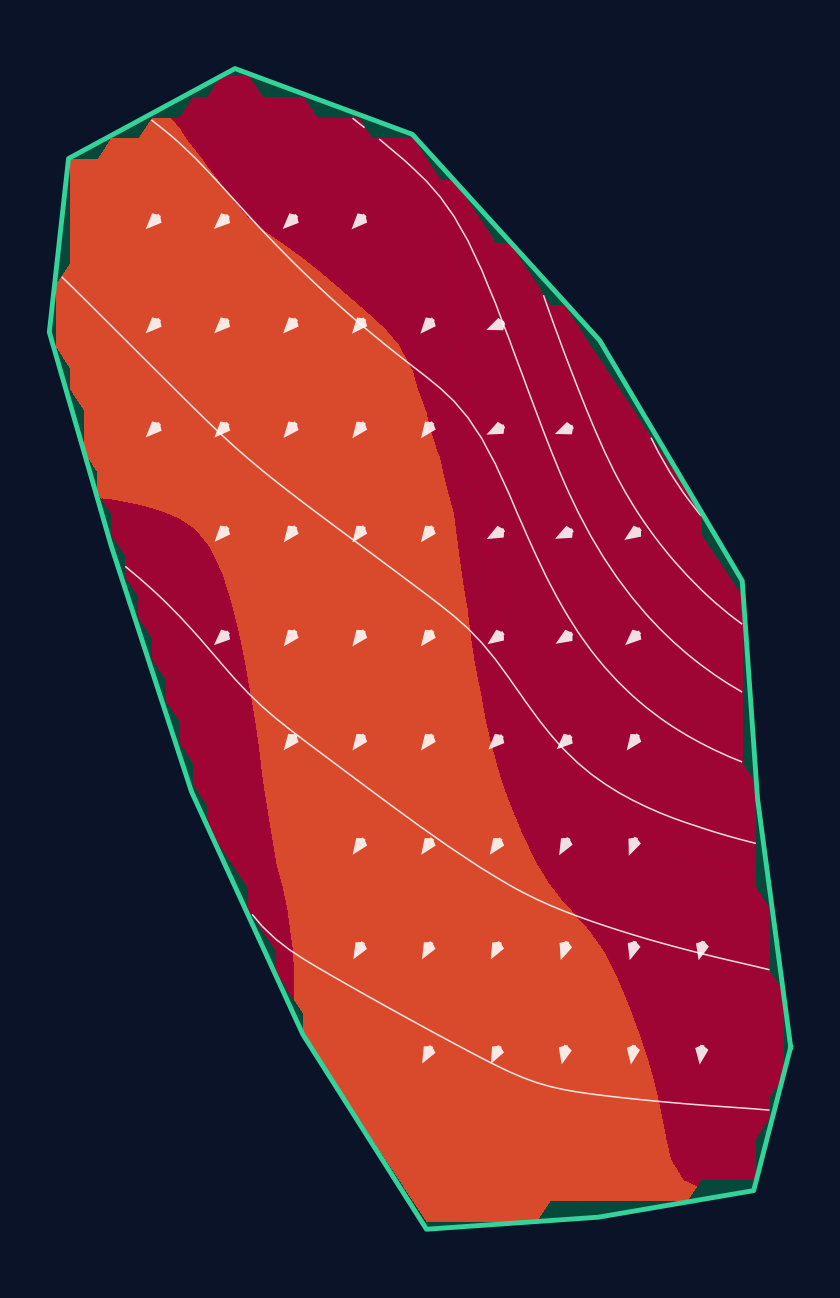
The green on No. 1

USGS 3DEP terrain
Wide × deepyards
22×34
Areasq ft
4,275
Reliefhigh to low
7.1 ft
Max slope
13.2°

Gear for Hole 1

We may earn a commission when you buy through these links.

Golfer feedback

How did Hole 1 play?

⚡ Quick Golfer Pulse

How did this hole play today?

1-tap anonymous vote

Frequently asked questions

Yardage reference: Pro tees · 460 yards.

What's the best strategy off the tee?

↓

For this 460-yard par 4, most players will hit driver to set up a comfortable approach.

How difficult is hole 1?

↓

This hole is a moderate challenge for most golfers. Key challenges include: long par 4, small green.

How big is the green on hole 1?

↓

The green is small and requires precision. The green is deeper than wide, so club selection is crucial. Expect challenging pin positions with limited room for error.

What's a good score on hole 1?

↓

This hole is one of the tougher holes where par feels like birdie. A challenging par 4. Accept that bogey happens and avoid big numbers.