The Omni Homestead Resort Spa Old Course
- Holes
- 18
- Par
- 72
- Length
- 6,227 yds
Course Scorecard
| HOLE | 1 | 2 | 3 | 4 | 5 | 6 | 7 | 8 | 9 | OUT |
|---|---|---|---|---|---|---|---|---|---|---|
| Blue | 475 | 153 | 460 | 458 | 163 | 378 | 323 | 310 | 163 | 2883 |
| White | 469 | 142 | 419 | 447 | 148 | 364 | 308 | 287 | 151 | 2735 |
| Gold | 419 | 136 | 415 | 440 | 140 | 318 | 301 | 284 | 145 | 2598 |
| Red | 363 | 127 | 400 | 404 | 137 | 313 | 270 | 259 | 125 | 2398 |
| Tips | 519 | 153 | 465 | 473 | 163 | 383 | 329 | 323 | 147 | 2955 |
| Par | 5 | 3 | 5 | 5 | 3 | 4 | 4 | 4 | 3 | 36 |
| HCP | - | - | - | - | - | - | - | - | - | - |
Hole-by-Hole Visual Directory
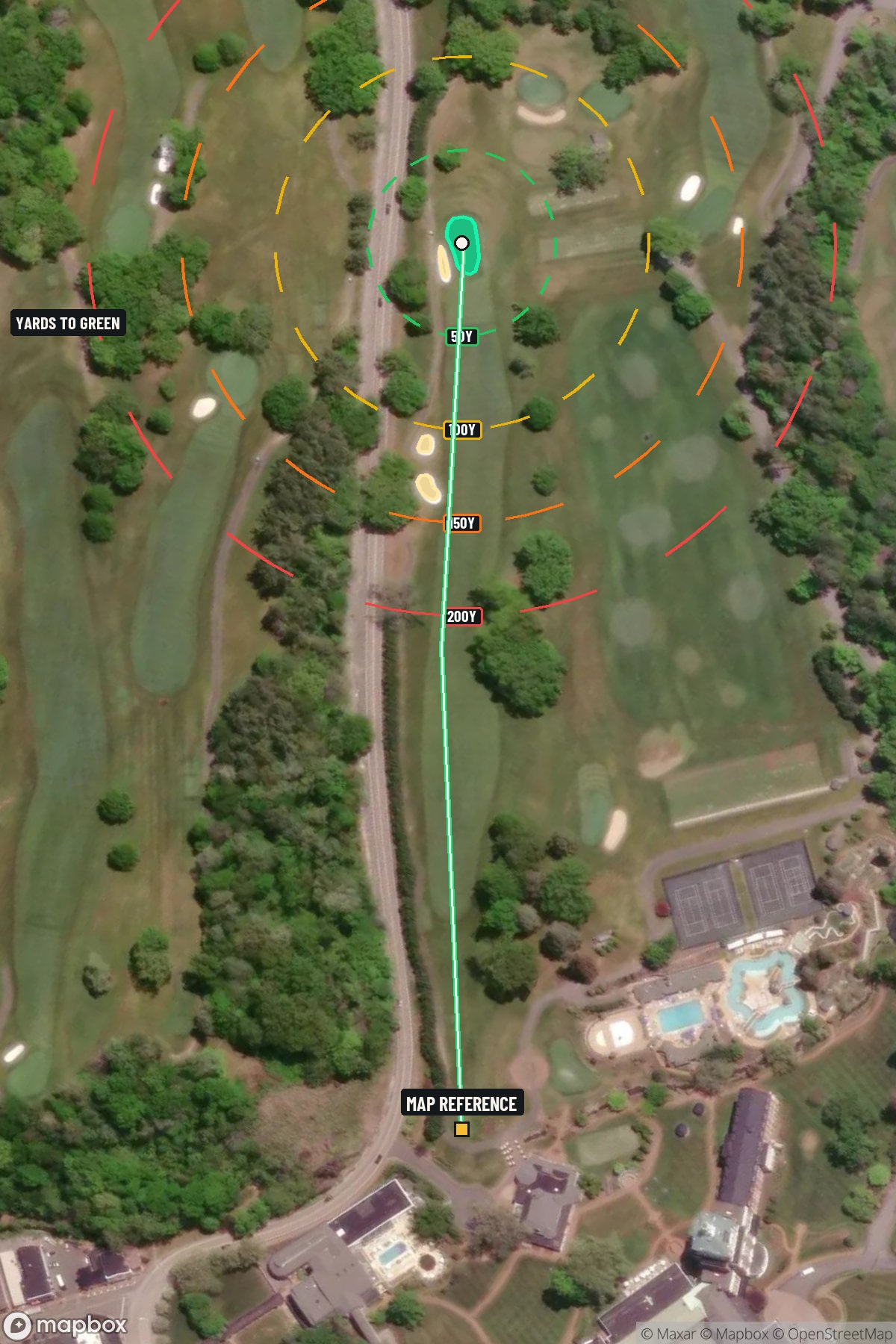
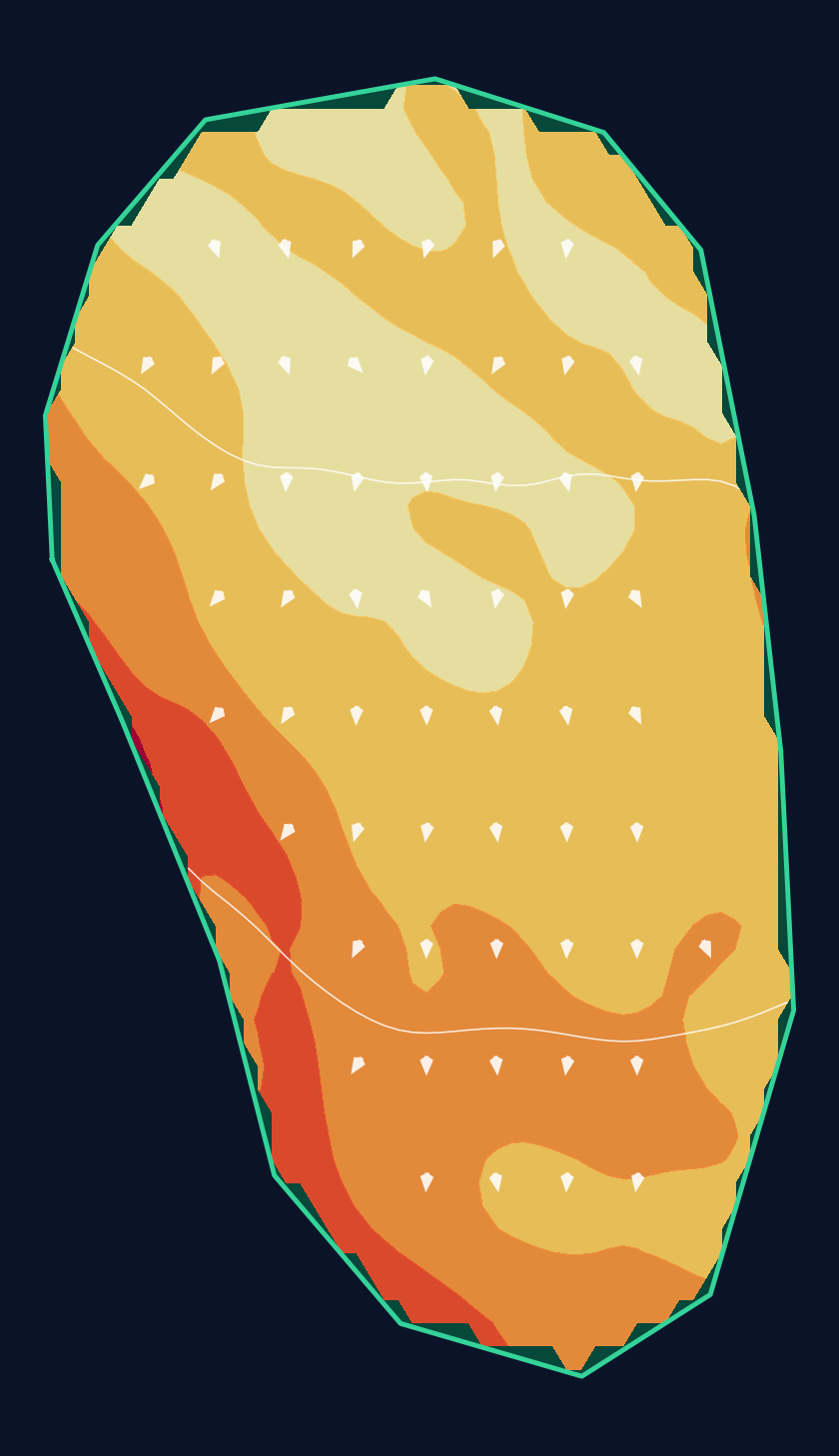
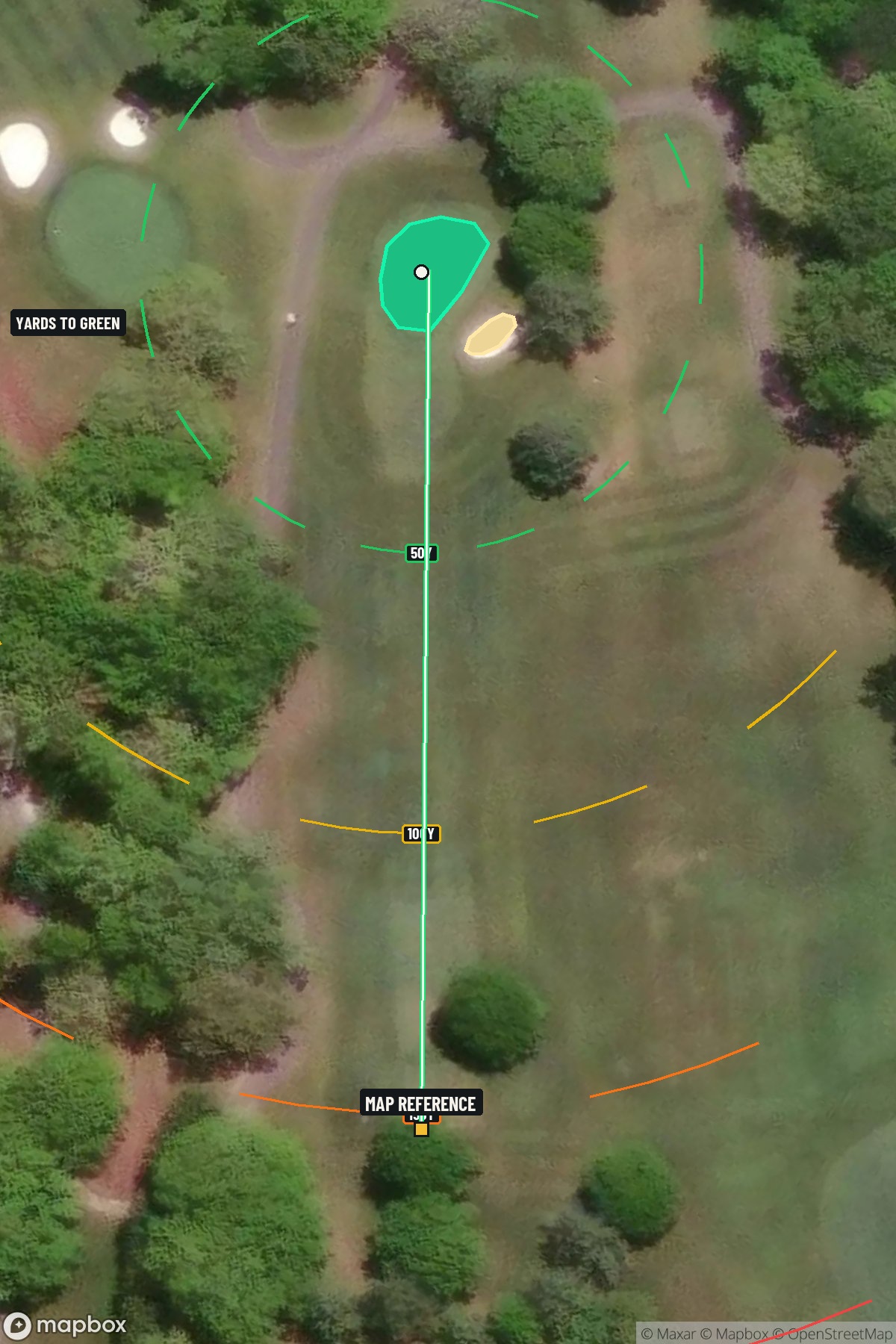
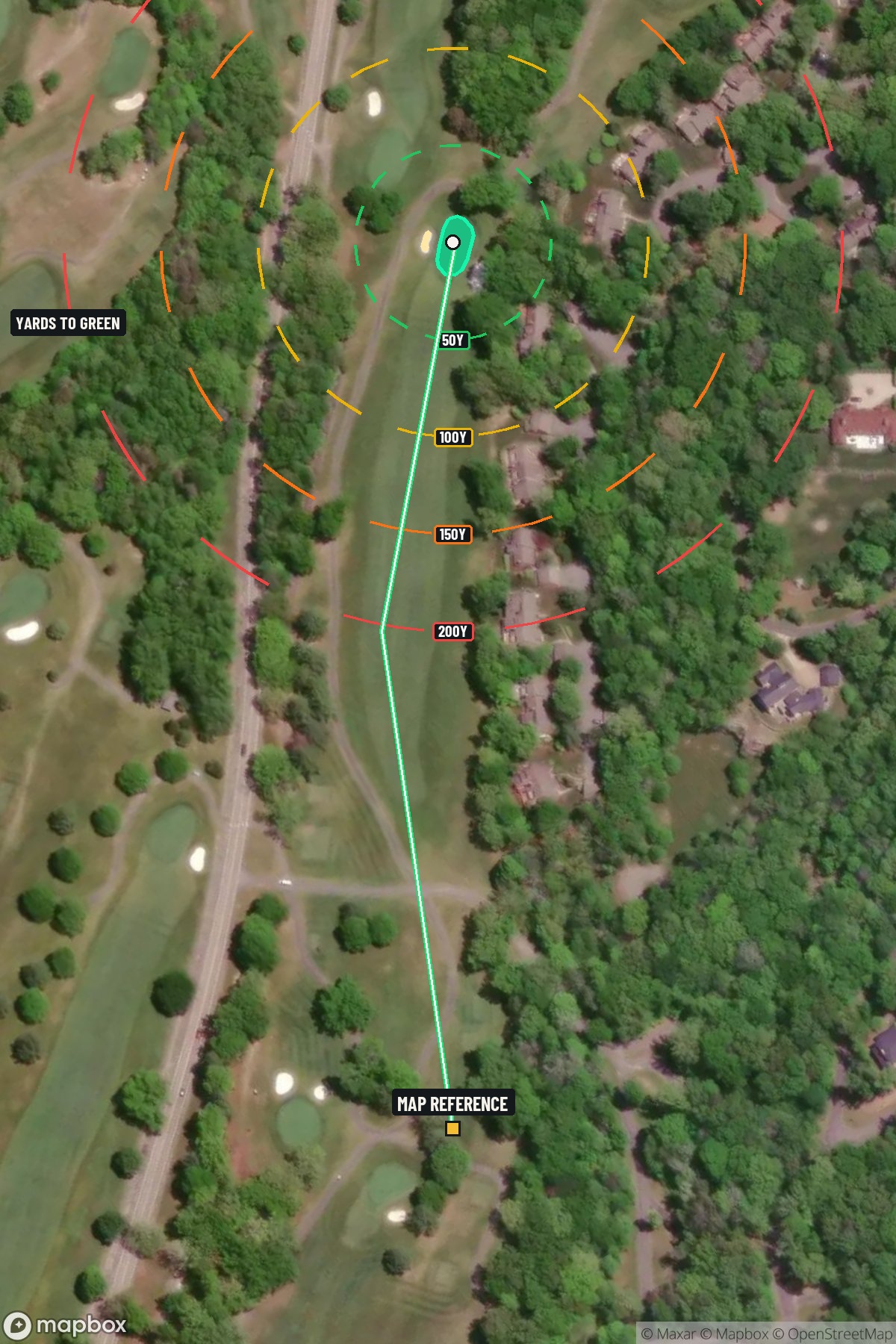
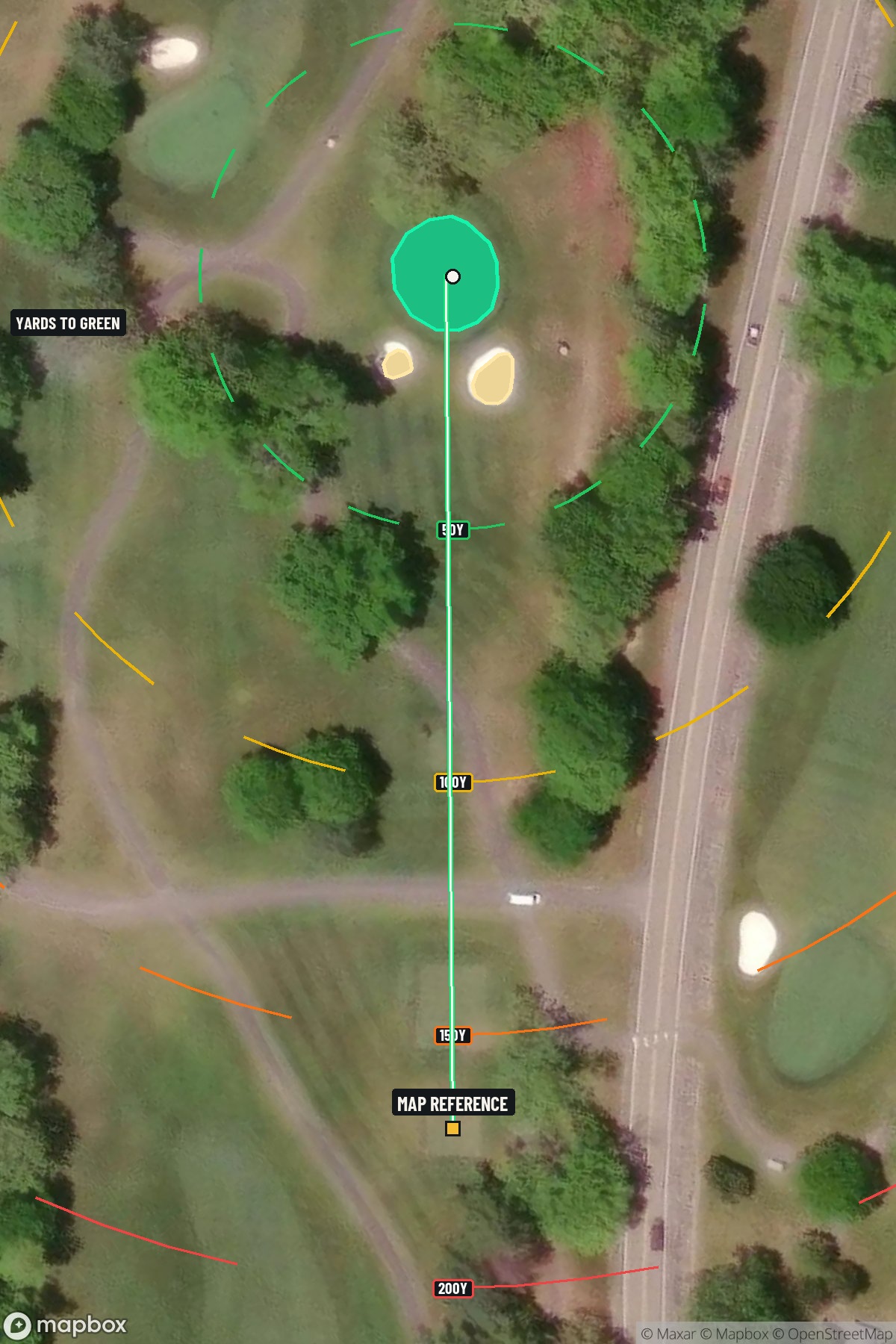
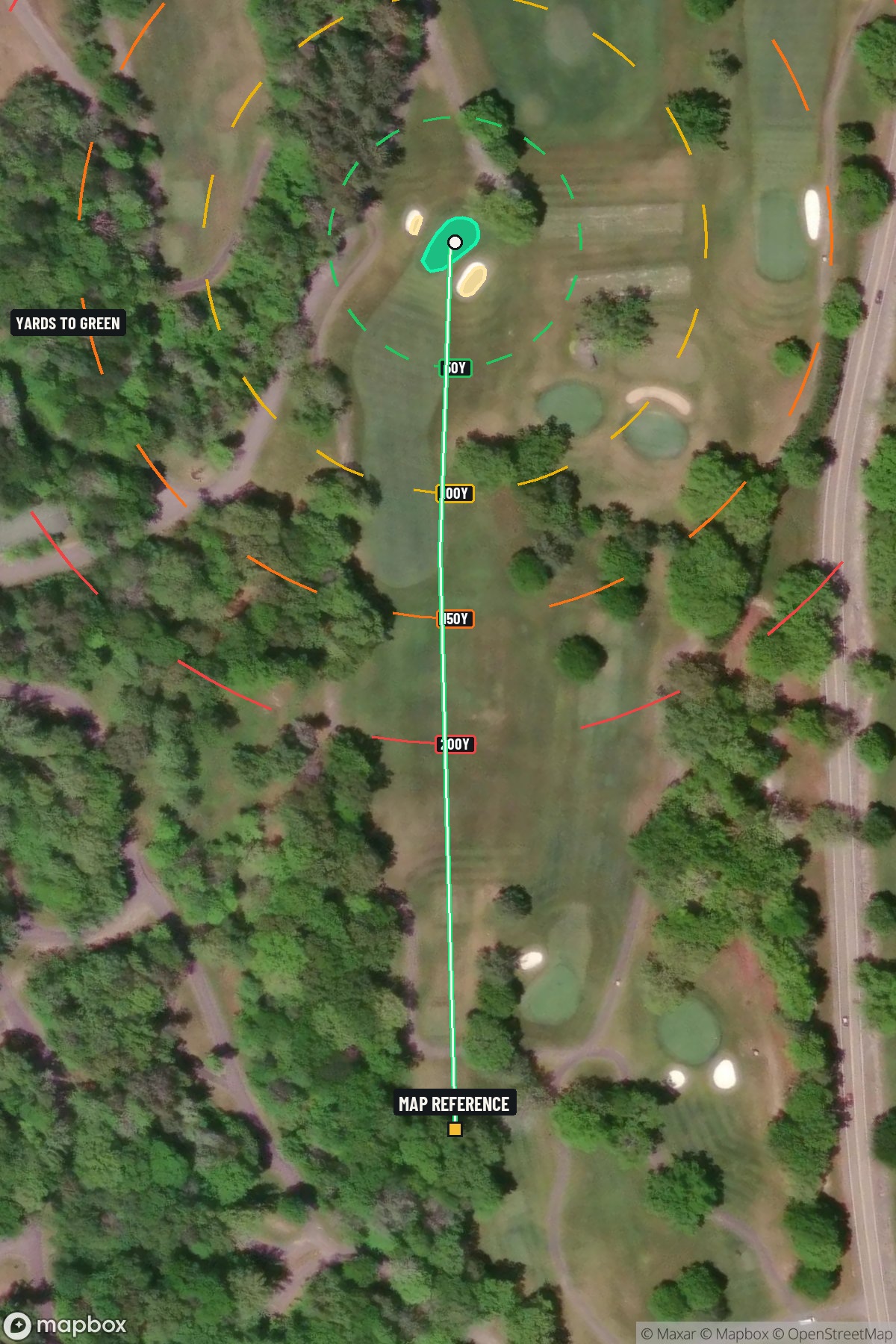
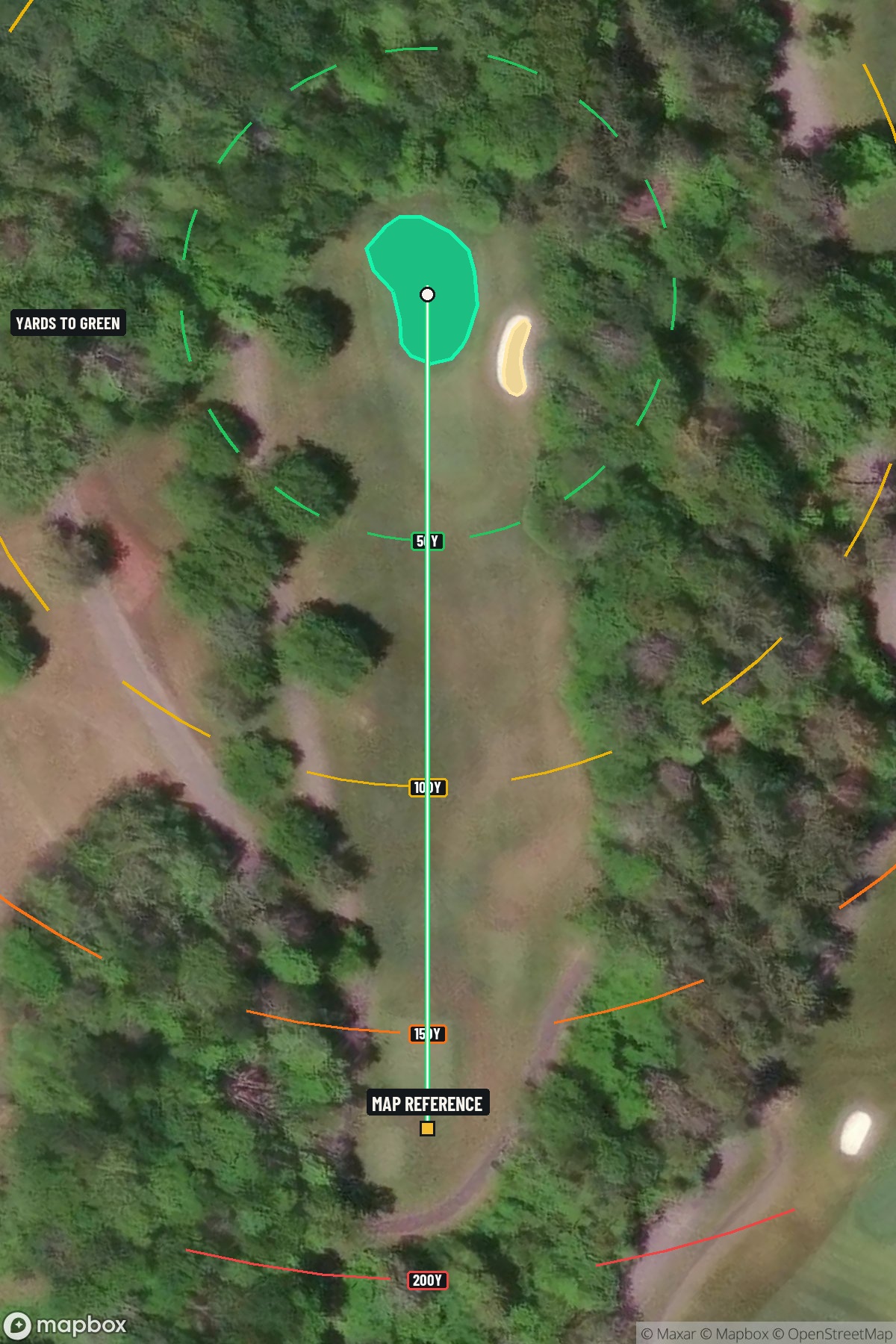
18 HolesSelect any hole to open the caddie gameplan, shot dispersion, and 3DEP LiDAR green contours.
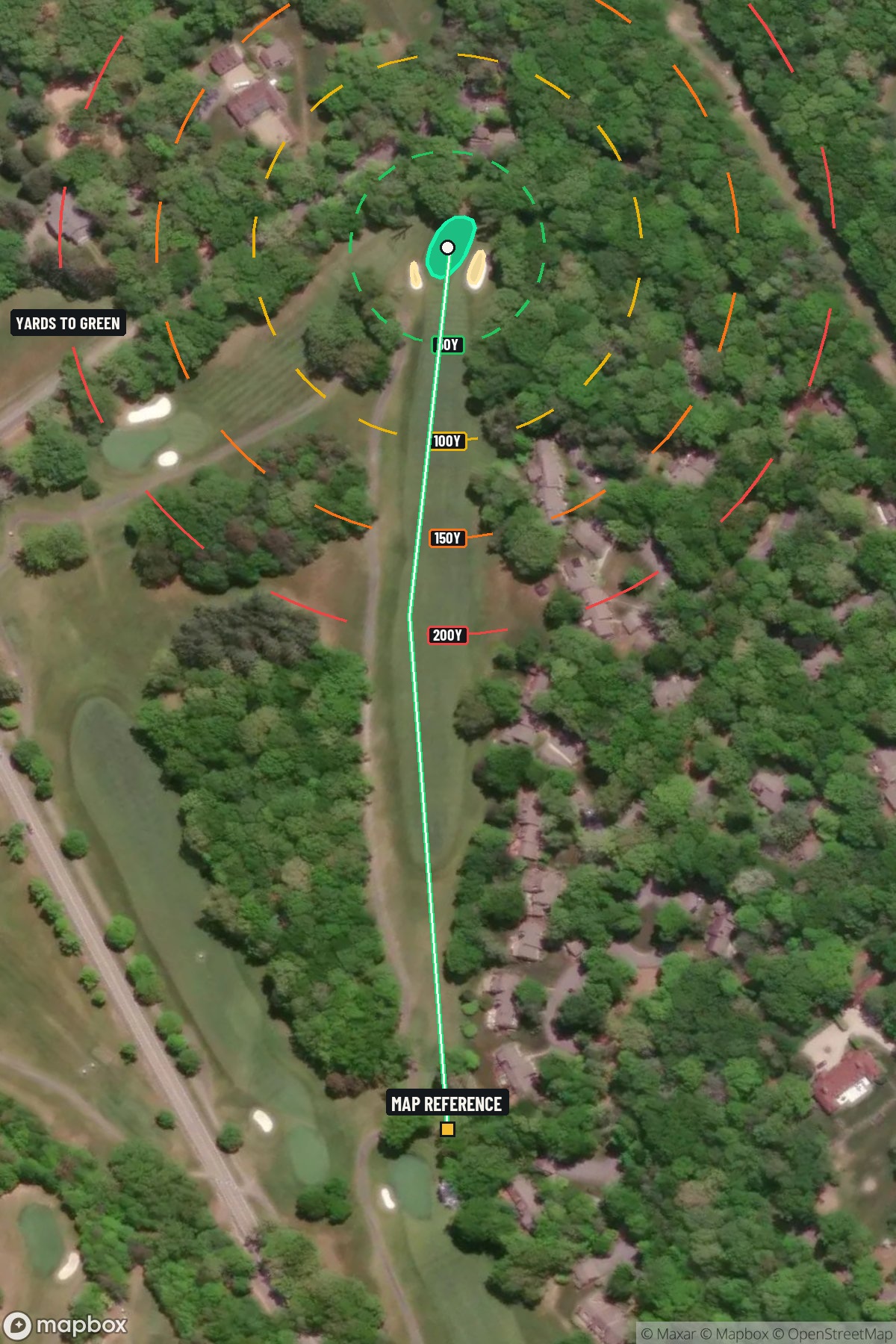
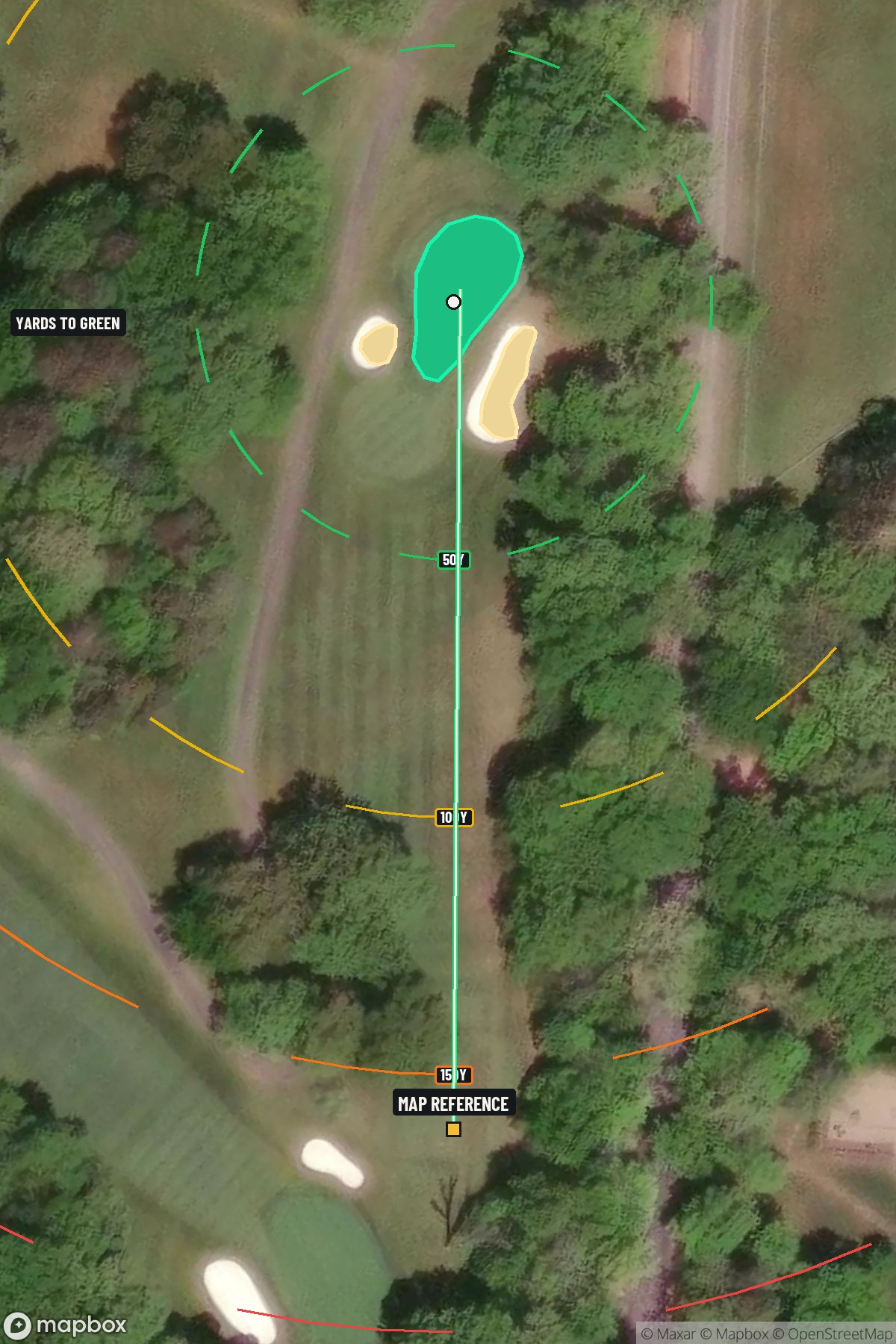
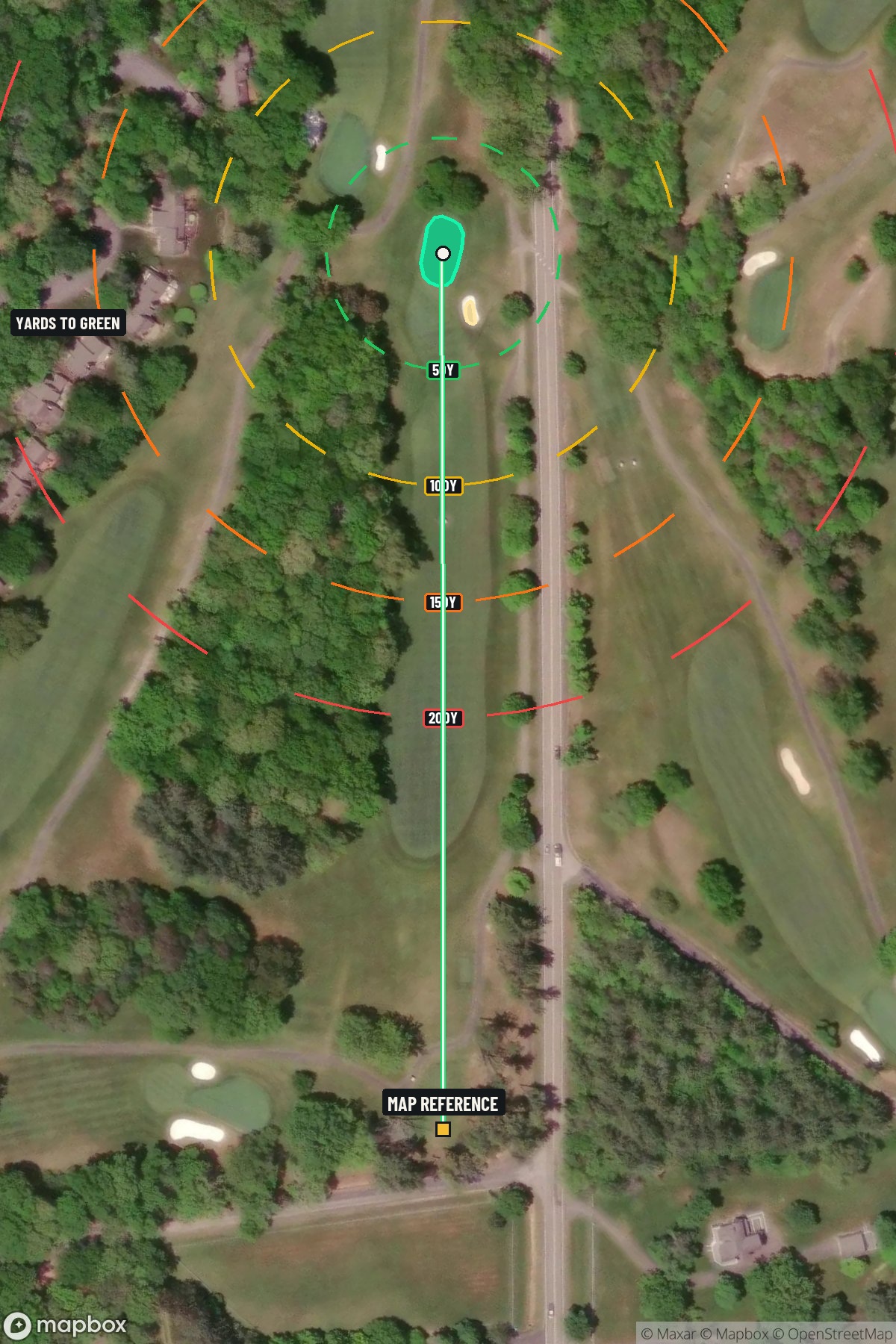
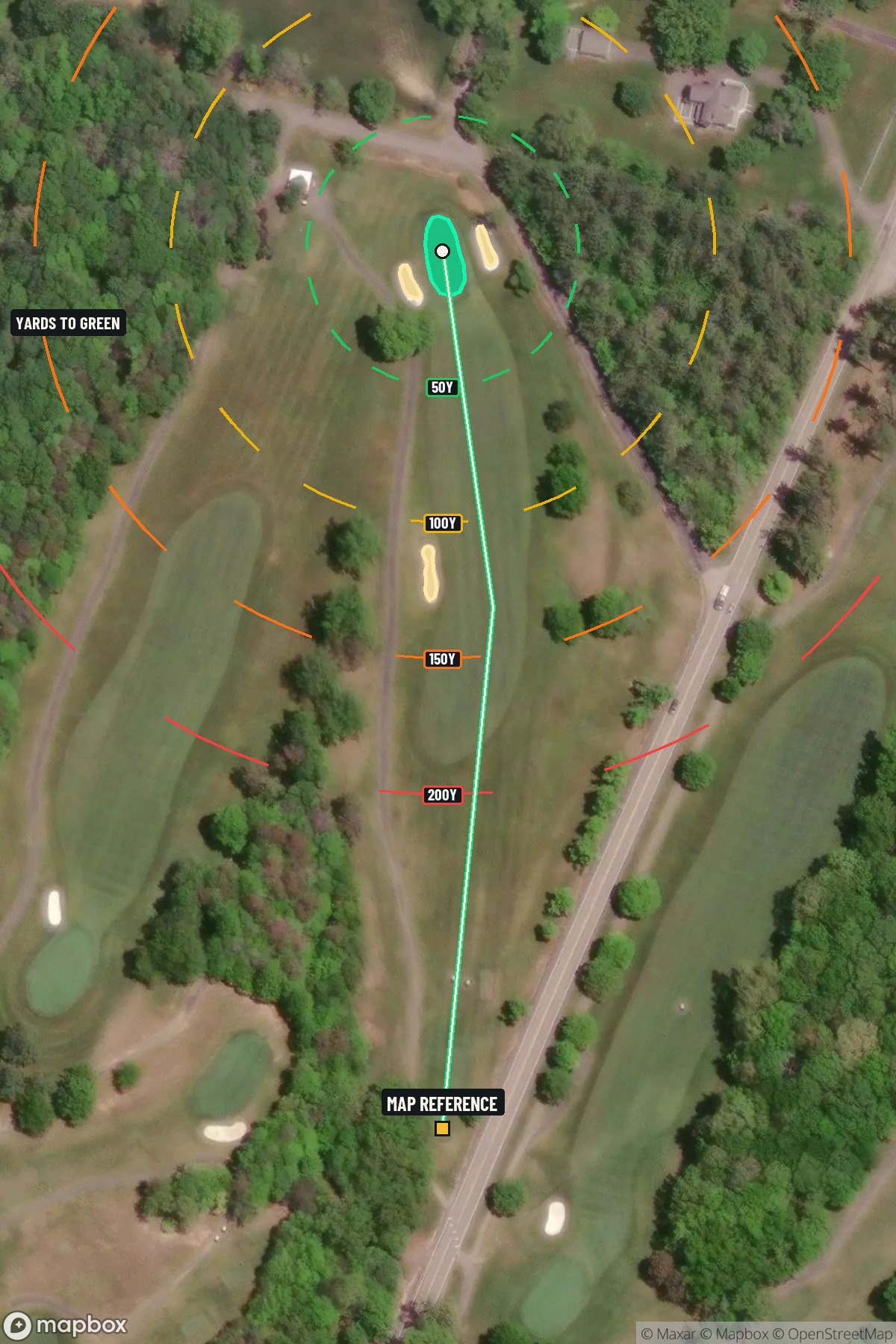
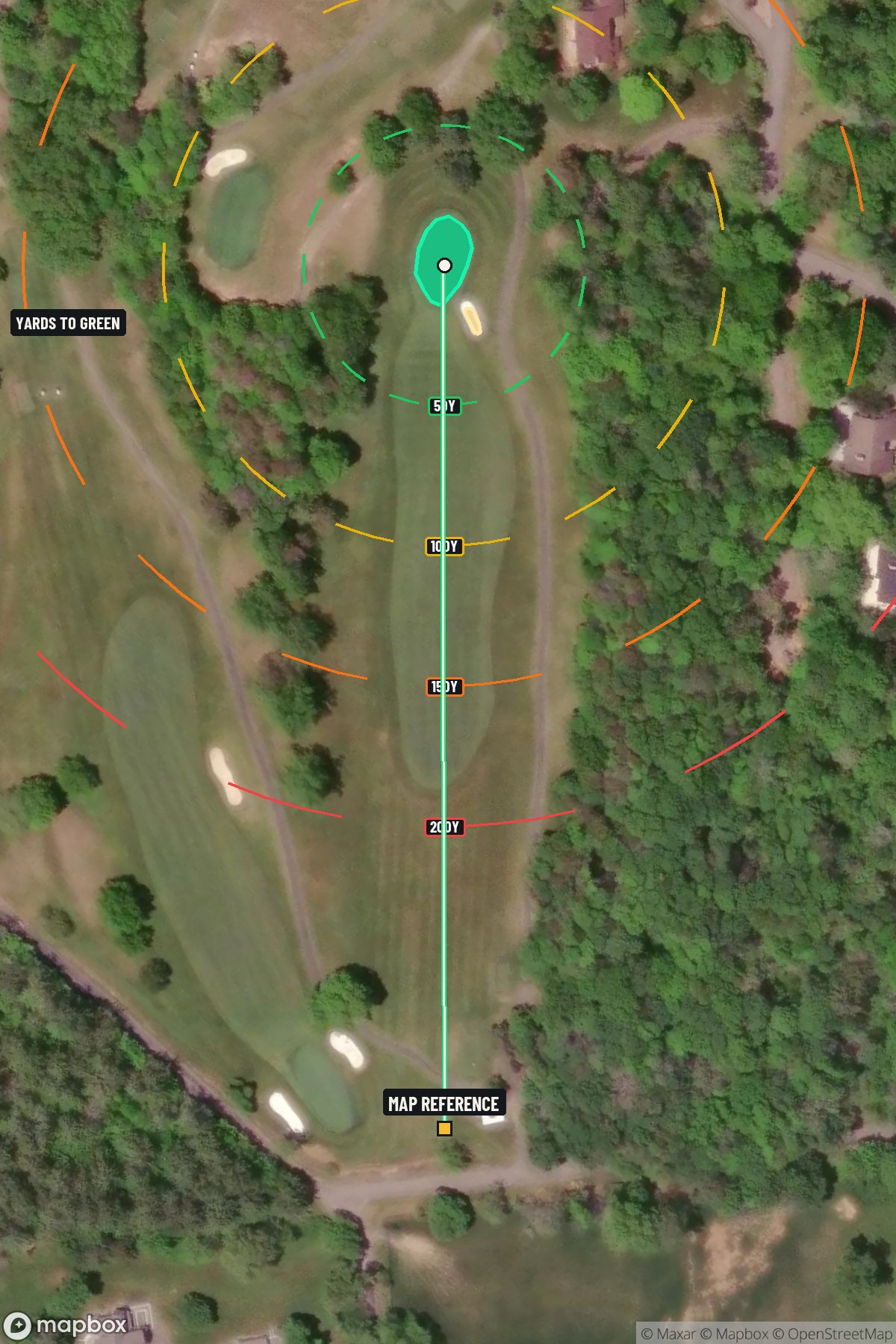
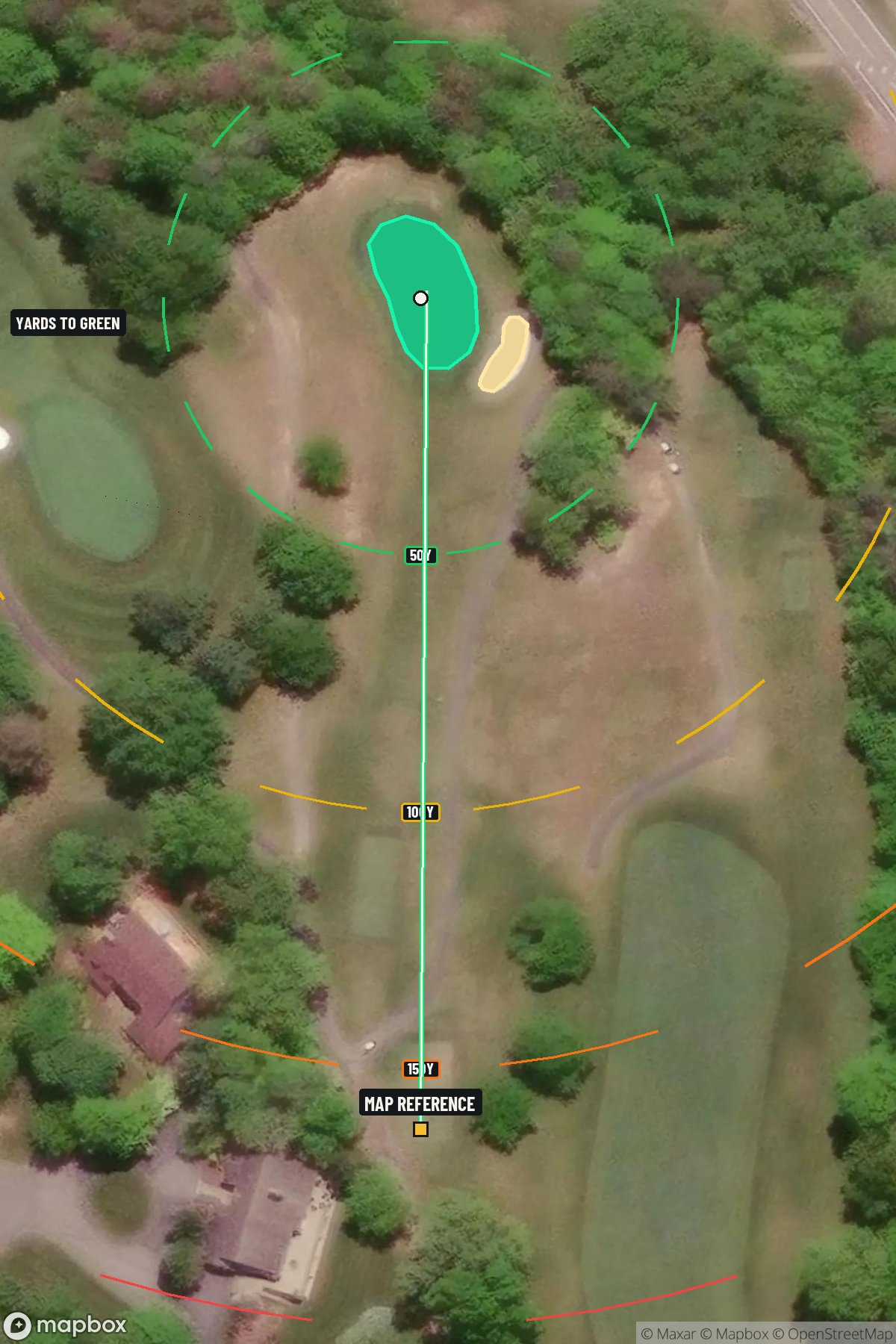
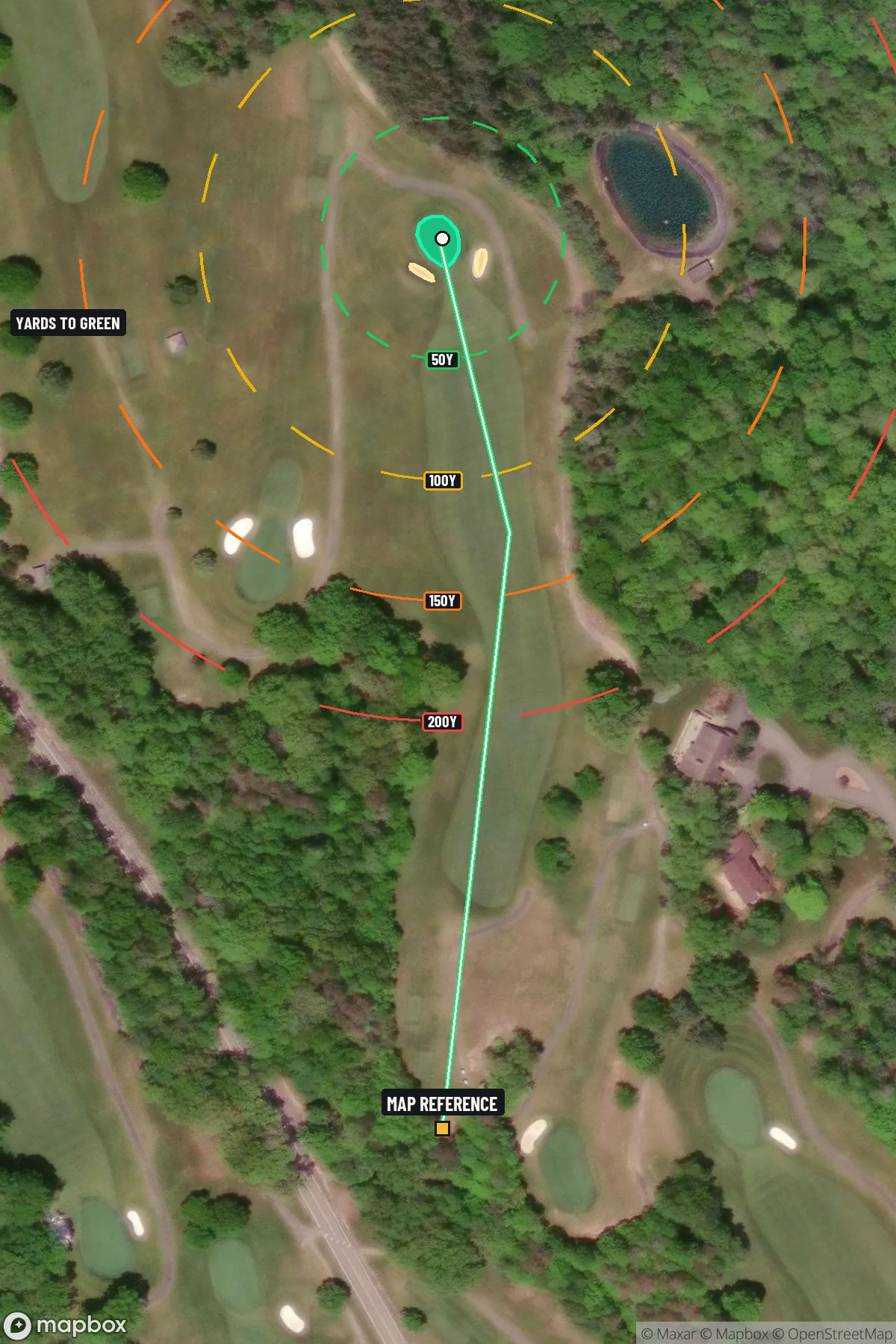
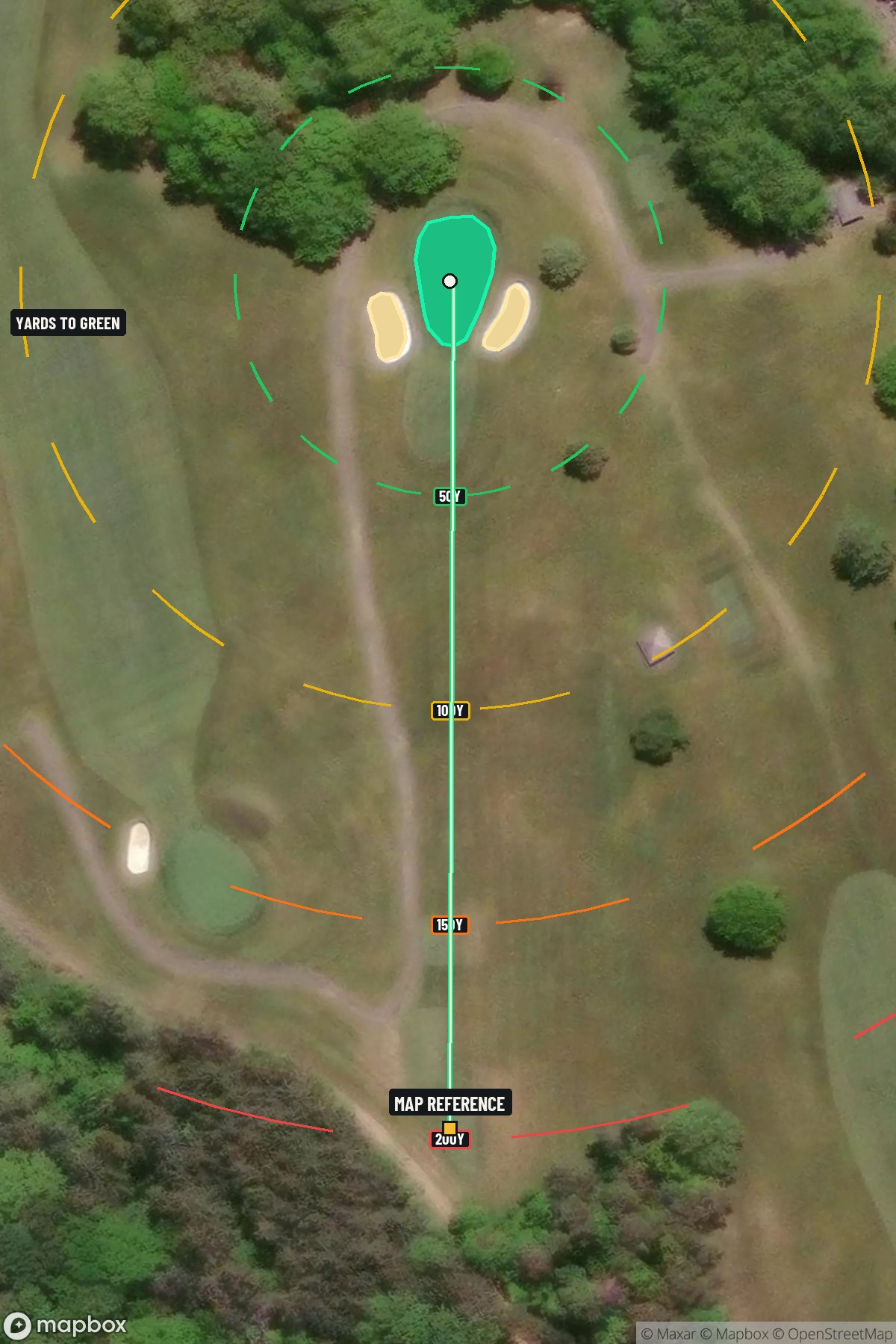
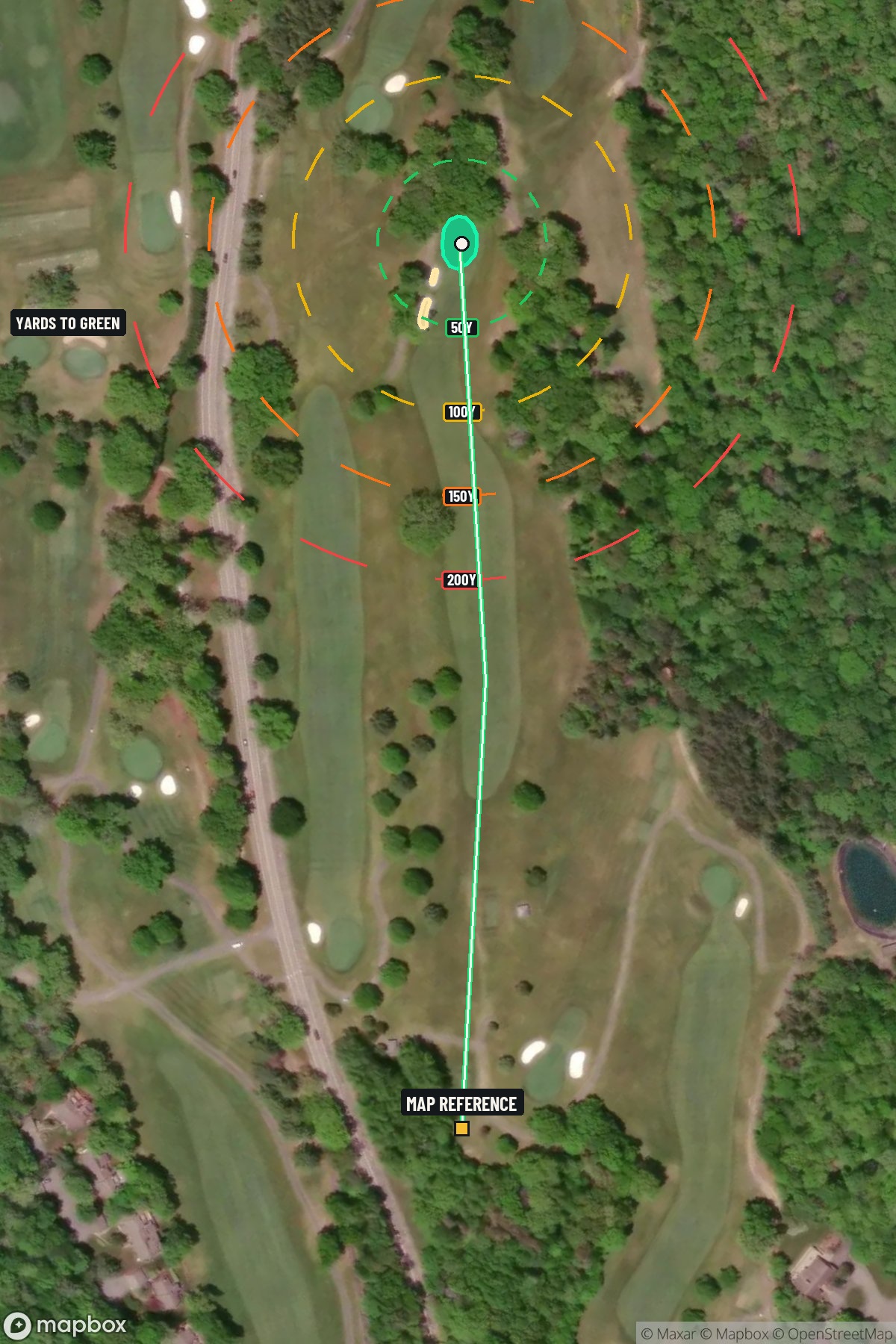
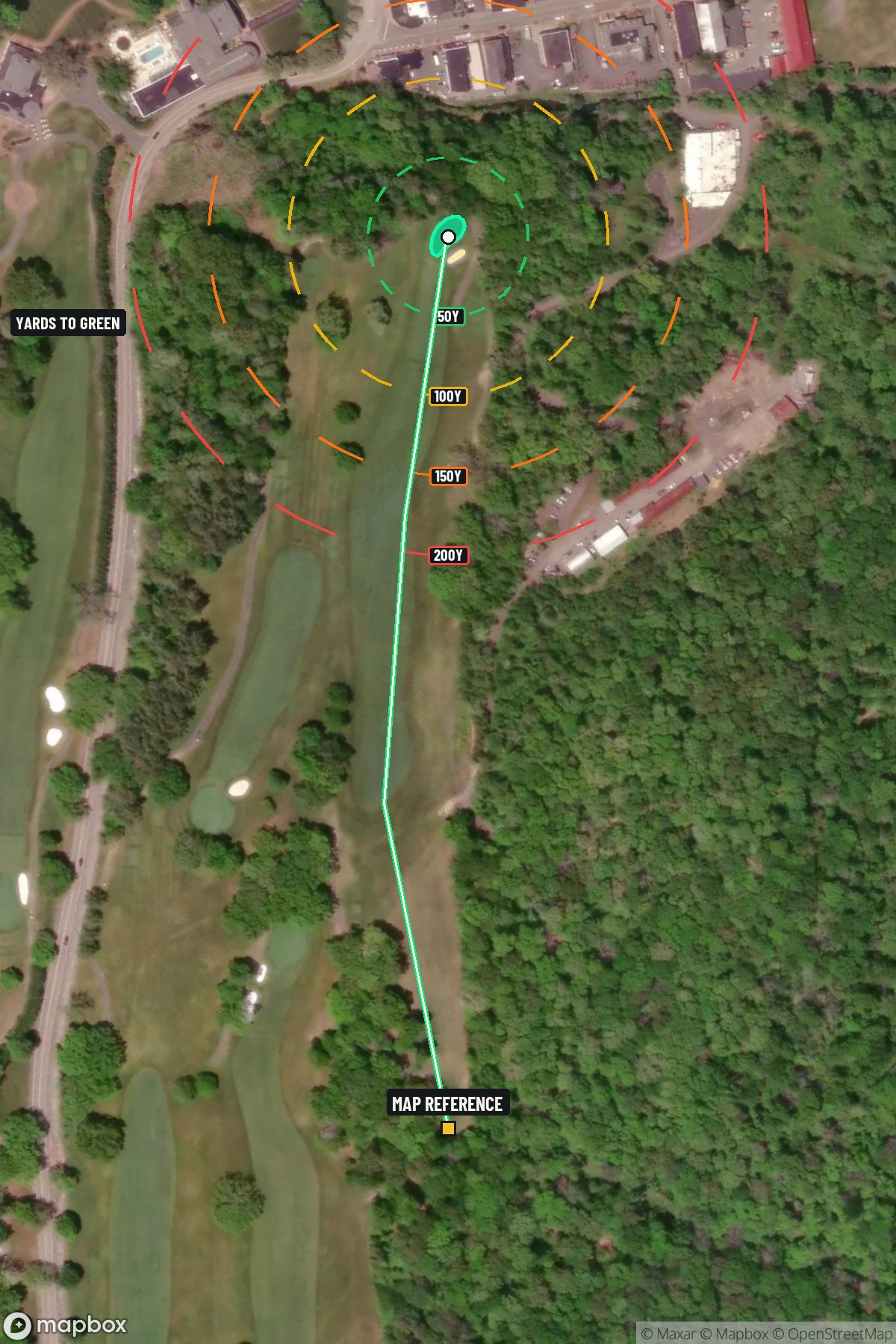
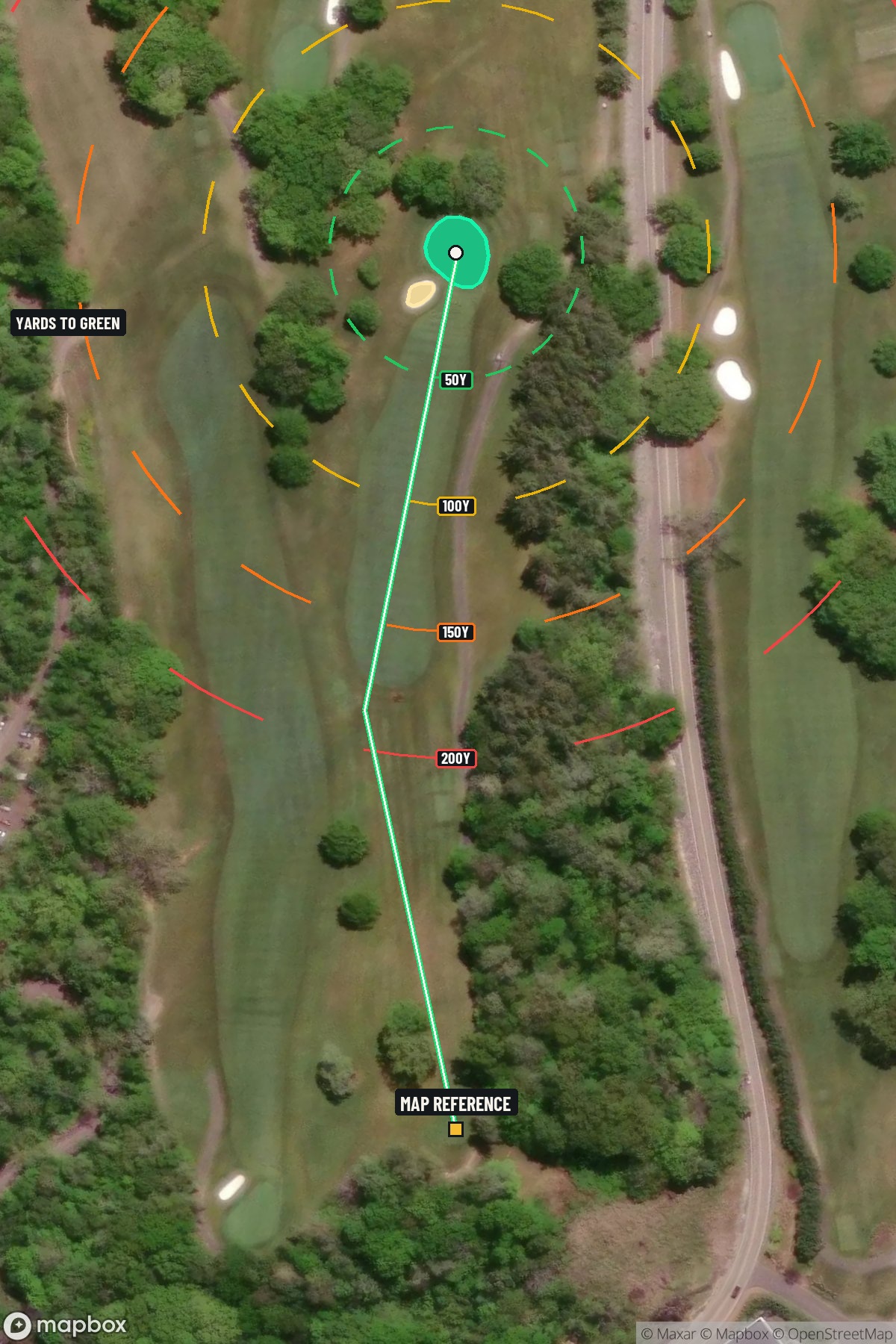
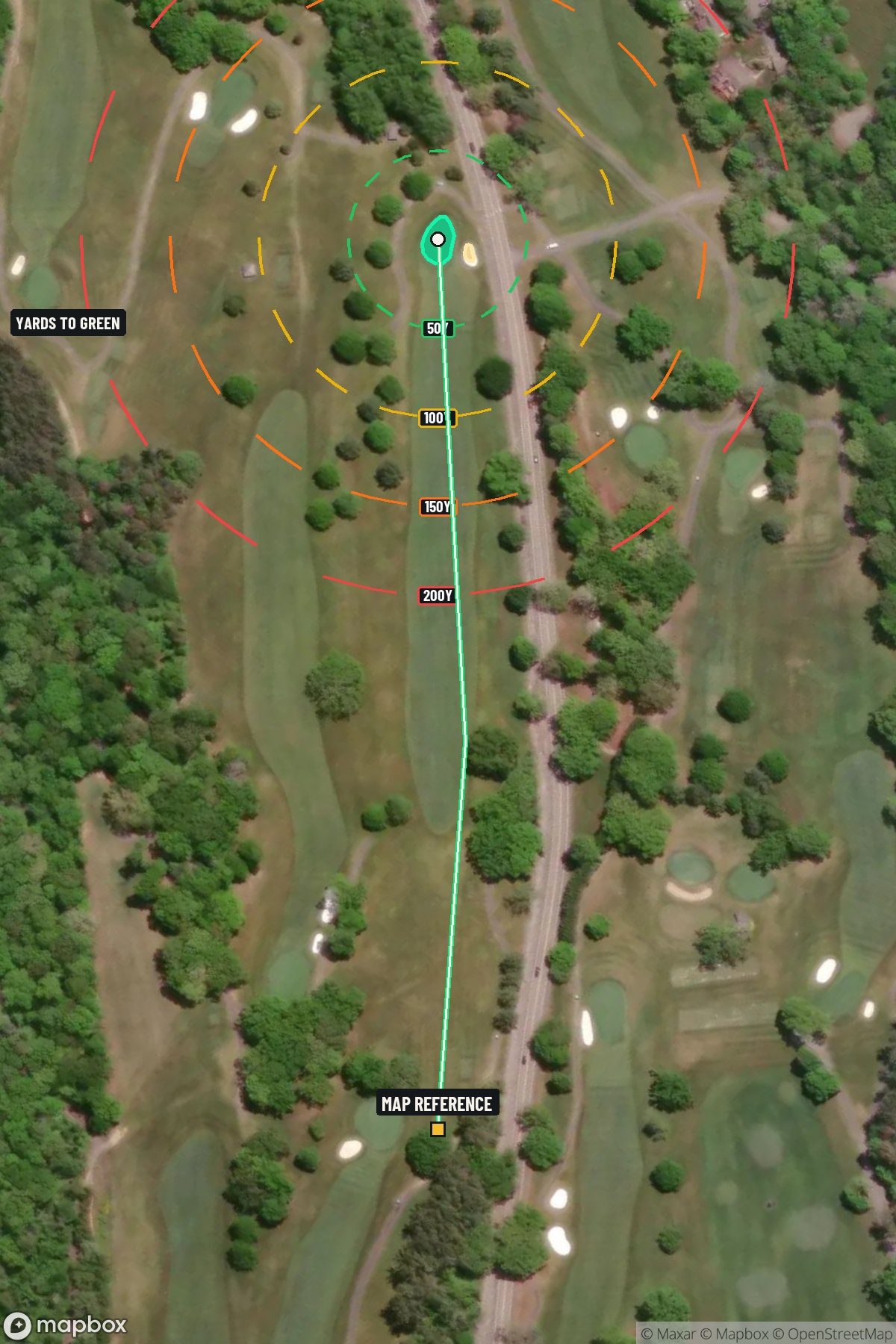
About The Omni Homestead Resort Spa Old Course
The Old Course at The Omni Homestead Resort & Spa in Hot Springs, Virginia is one of American golf's living museums. Golf here began in 1892 (six holes that players looped for a round), grew to eighteen distinct holes by 1901, and was reshaped by Donald Ross in 1913, with later updates attributed to William S. Flynn and Rees Jones. The resort claims the nation's oldest first tee still in continuous use — the same pad where President William McKinley is cited as the first sitting U.S. president to play golf, with later presidential rounds including Taft, Wilson, Ford, Clinton, and both Bushes.
What you play today is a unique ~6,099-yard, par-72 routing with six par 3s, six par 4s, and six par 5s — including back-to-back par 5s on both nines and a rare elevated par-3 finish that drops toward the hotel. The card looks short, but Allegheny elevation changes, contoured and off-camber fairways, tree-lined corridors, blind or semi-blind drives, and relatively small saucer-style greens with recurring false fronts (notably at holes 3, 6, 8, 12, and 16) make solid contact and distance control harder than the yardage suggests. Reviewers consistently call the Old Course more welcoming to all skill levels than the resort's companion Cascades course — prefer it for a strategic, scenic mountain round rather than a pure length test.
Course Strategy & Gameplan
Tactical DNA & Fairway Corridors
Do not let the ~6,099-yard card fool you. Plan every hole from the green back: identify false fronts, bunkers, and out-of-bounds lines first, then choose a tee shot that leaves a comfortable approach angle on uneven mountain lies. Contoured fairways create many sidehill, uphill, and downhill stances — prioritize fairway and balanced contact over maximum distance. Recurring false fronts at holes 3, 6, 8, 12, and 16 punish anything short; take enough club to land on the putting surface. Blind or semi-blind drives at 4, 10, and 15 reward committed lines you have previewed. Keep approaches under back-to-front greens, and treat the elevated par-3 18th as a downhill club-down finisher where long is lost. The Old Course is the welcoming, strategic half of Homestead golf — play it for position and patience, not Cascades-style length.
Pro Tips & Course Advice
Bring a slope-capable rangefinder — Allegheny elevation changes make several holes play longer or shorter than the card.
Expect uneven lies: Ross-style contoured fairways leave many sidehill, uphill, and downhill stances into small greens.
False fronts at 3, 6, 8, 12, and 16 are real — carry onto the putting surface or watch the ball roll back.
The Old Course is the more welcoming Homestead option versus Cascades; manage expectations around strategy, not raw length.
Opening 5-3-5-5-3 looks gettable, but hole 1 is handicap 1 from the historic first tee — start focused.
Seasonal Playing Conditions
Softer mountain conditions can reduce roll; take enough club into elevated and false-front greens.
Firm, quick greens amplify back-to-front slopes and false fronts — leave putts under the hole.
Cooler Allegheny air and shifting winds; verify elevation-adjusted yardages hole by hole.
Reduced roll and dormant turf make the short card play longer; prioritize fairways and center-green.
How are course conditions today?
Reviews
Write a ReviewNo reviews yet. Be the first to share your experience!
Write the First Review