Hole 1 at National Golf Links of America
- Par
- 4
- Yardage
- 327 yds
- Hazards
- 12 bunkers
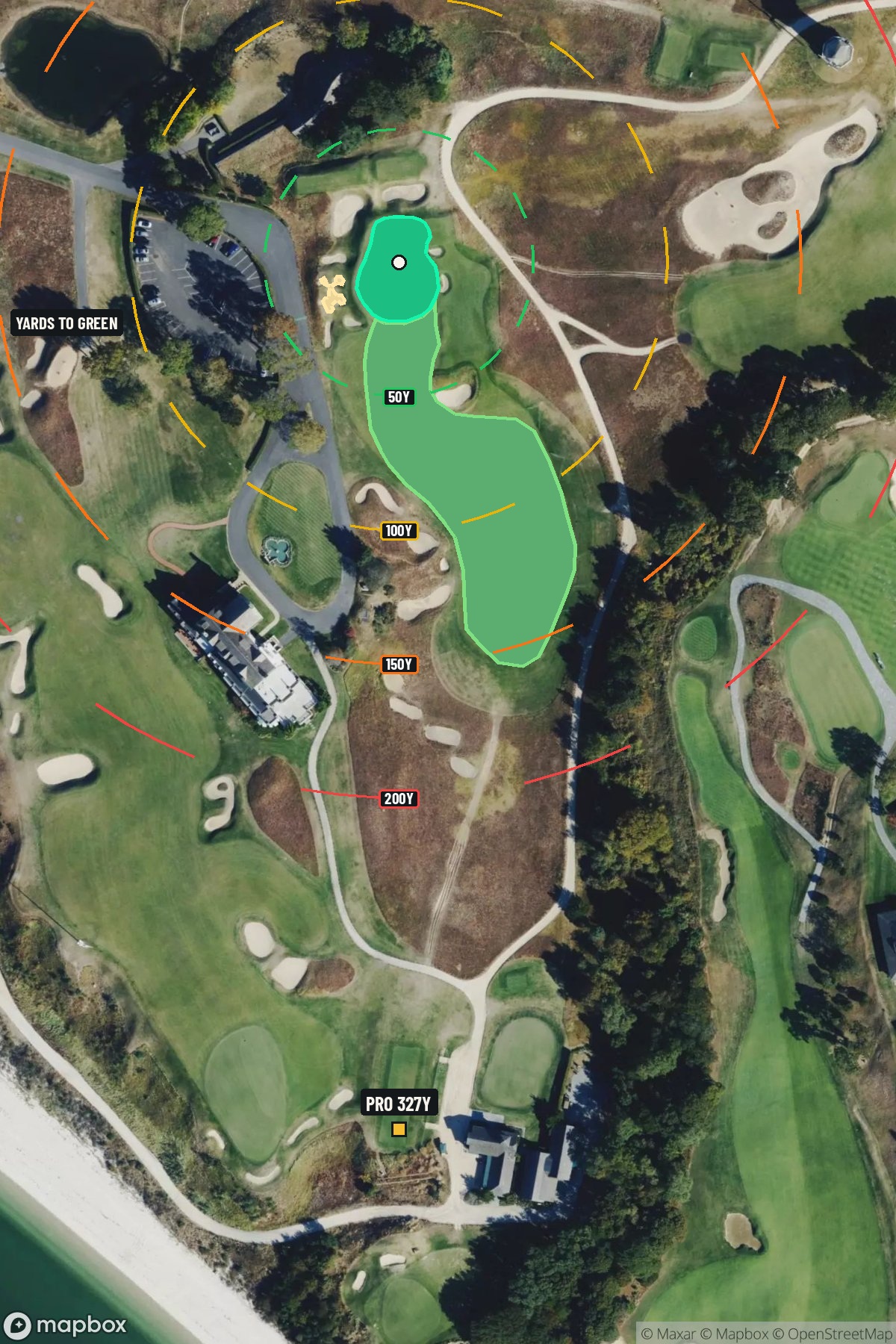 Hole 1 map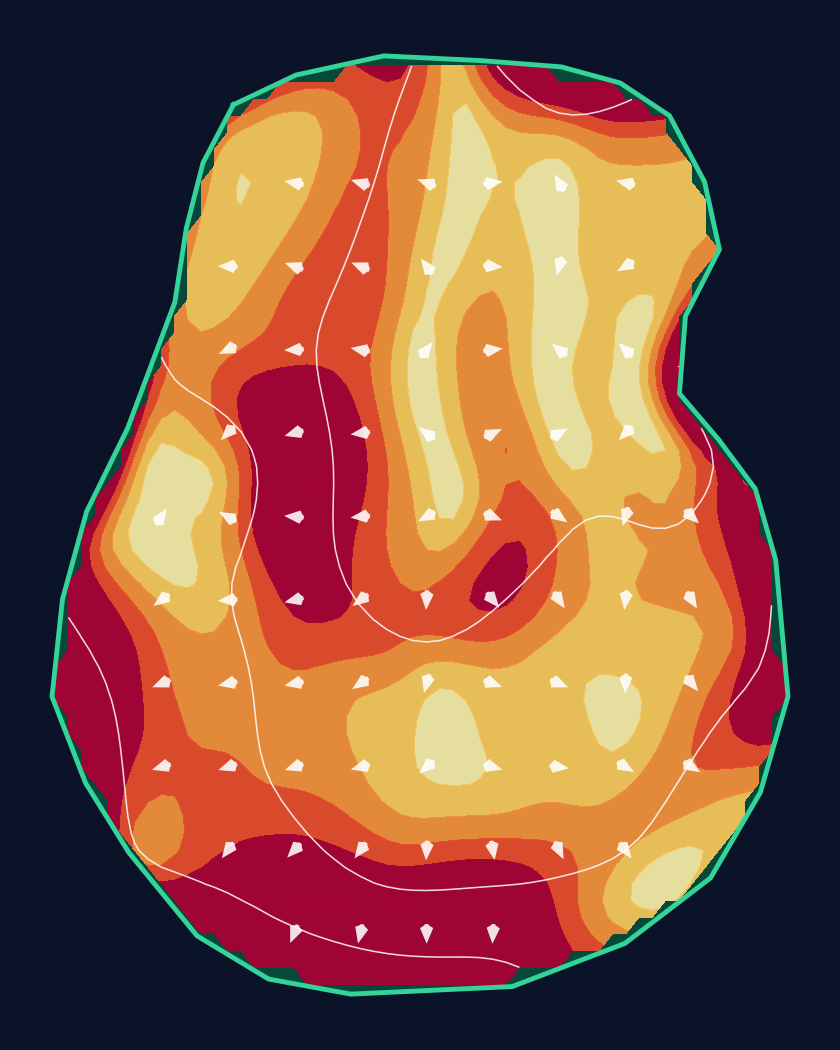
32 yd wide × 40 yd deep · 3.7 ft total elevation range
Light = gentler slope · Red = steeper slope
White lines: 1 foot of elevation. Arrows: downhill. General terrain, not a pin read.
Approach from bottom
Contour source
USGS 1 Meter 18 x71y454 NY_LongIsland_A24 · collection 2024
Map source & reference
Mapbox Satellite composite · capture date not provided. Green at the top; the labeled map reference is below.
Scorecard yardage is for Pro tees. The aerial shows its labeled reference position; distance rings measure to the green.
Pro tees · Par 4 · 327 yards
The plan for No. 1
The opening hole at National Golf Links of America sets the tone for one of golf's most historically significant courses, where C.B. Macdonald's genius for adapting classic British designs first unfolds. This welcoming par 4 of 327 yards presents a deceptively straightforward challenge that rewards precision over power. The tee shot plays to a generous fairway that invites confident swings, but strategic positioning becomes crucial for the approach to the small, subtly contoured green. Without major hazards to intimidate, this opener allows golfers to settle into their rhythm while experiencing the masterful routing that made this Southampton masterpiece the template for American golf course architecture. The hole embodies Macdonald's philosophy of strategic design, where thoughtful play trumps brute force.
Off the tee
Your tee shot strategy should prioritize accuracy and proper positioning over maximum distance. With only 327 yards to work with, driver isn't necessarily the optimal choice for most players. Consider a 3-wood, hybrid, or long iron that you can control confidently - the goal is finding the fairway and leaving yourself a comfortable approach distance. The target line should favor the center-left portion of the fairway, giving you the best angle into the small green. Avoid the temptation to cut corners or play too aggressively, as National's opening hole is designed to test your course management skills from the very first swing.
Approach & recovery
Your approach shot is where this hole's true character emerges. The small green demands precision, making club selection and target selection crucial. Aim for the center of the green rather than attacking pins, especially early in the round when you're still getting a feel for conditions. A controlled mid-iron to short-iron approach will typically be required, depending on your tee shot placement. Focus on a smooth, committed swing rather than trying to manufacture distance or spin. The compact green leaves little margin for error, so prioritize finding the putting surface over getting close to the pin.
On the green
The small green at the first hole requires careful attention to pace and line. With limited real estate, three-putts can quickly derail your opening hole score. Read putts conservatively and err on the side of leaving yourself uphill rather than racing putts past the hole. Pay attention to the subtle undulations that characterize Macdonald's green complexes. Even on this smaller surface, the strategic design will present interesting challenges depending on pin position. ## RISK VS REWARD While the hole's length might suggest an easy birdie opportunity, the risk/reward calculation favors conservative play. The small green and strategic design elements mean that aggressive play can quickly lead to bogey or worse. The reward for a well-executed conservative strategy - a solid par or potential birdie - outweighs the risks of trying to overpower this strategic gem. ## DIFFERENT SKILL LEVELS **High-Handicap Players:** Focus entirely on finding the fairway with your tee shot, even if it means using a club that leaves a longer approach. A 7-iron or 6-iron from the fairway is far preferable to trying to recover from trouble. Aim for the center of the green and take your par with confidence. **Low-Handicap Players:** You can be slightly more aggressive with your tee shot placement, potentially using driver if you can control it well. However, the small green still demands respect - attack only when you have a perfect lie and ideal conditions. This hole rewards patience and precision over raw power, embodying the strategic principles that make National Golf Links a masterpiece of course design. The opening hole sets the tone for your round at one of America's most historic and strategic golf courses. Play it smart, and you'll be rewarded with a good start to your National Golf Links experience.
Watch for
- Course conditioning and mapped hazards may affect line selection; confirm from the aerial.
Hole 1 Green Complex & Slope
USGS 3DEP terrain analysis
Green size: 7,900 sq ft
Course coverage
Tournament and creator videos about National Golf Links of America — shared course coverage, not hole-specific clips.
Official & tour
Tour & network videos
Official coverage mentioning National Golf Links of America.
Inside Trump International Golf Links, Doonbeg | 3 Key Holes
Featured by these creators
Creator videos about this course
YouTube creators who filmed or featured National Golf Links of America. · Stats as of Oct 12, 2026 · 5d ago
All eyes on the leaders 👀 The final round is underway at Trump International Golf Links.
How did Hole 1 play?
How did this hole play today?
Frequently asked questions
Yardage reference: Pro tees · 327 yards.
What's the best strategy off the tee?
↓
For this 327-yard par 4, most players will hit 3-wood or driver to set up a comfortable approach.
How difficult is hole 1?
↓
This hole is a good scoring opportunity for most golfers. Key challenges include: large green requiring good lag putting.
How big is the green on hole 1?
↓
The green is large and can play quite long. Three-putt territory if you don't manage your approach distance well.
What's a good score on hole 1?
↓
This hole is a birdie opportunity if you find the fairway. This shorter par 4 rewards accuracy off the tee with a short iron approach.